
Chili pepper
Capsicum frutescens L.
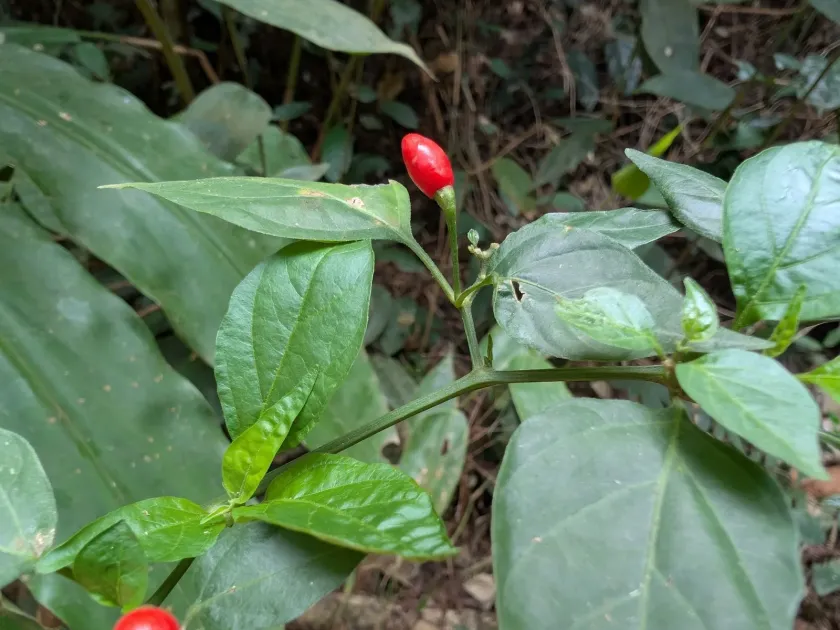
Description
Sowing dates
Capsicum frutescens is a perennial shrub in the Solanaceae family that is typically cultivated as an annual crop in most temperate regions worldwide.
Seeds should be sown indoors in late winter or early spring, using a sterile, well-draining seed-starting mix to ensure successful germination and seedling vigor.
Maintaining a soil temperature of 25–28°C is critical during the initial germination phase to ensure a high percentage of successful seedling emergence.
Seedlings should be transplanted into individual containers once the first set of true leaves appears, taking great care to minimize root disturbance during this process.
Acclimatization of seedlings to outdoor conditions, known as hardening off, is essential for at least one week before permanent transplanting into the garden beds.
Growing requirements
This crop thrives in warm, sunny environments and requires a long growing season to reach full maturity, making site selection a vital part of planning.
Well-drained, sandy loam soil with a slightly acidic to neutral pH is preferred to ensure optimal nutrient uptake and to prevent root rot in the shrubs.
Consistent irrigation is necessary to maintain soil moisture, as fluctuations can lead to blossom end rot or fruit drop, significantly reducing total yield.
Regular fertilization with balanced NPK formulas is recommended, with higher phosphorus and potassium levels during the flowering and fruiting stages.
Adequate space between plants must be provided to ensure airflow, which helps in preventing the buildup of humidity and the subsequent development of fungal issues.
Yield
The yield of Capsicum frutescens can be substantial when plants are grown in optimal heat and light conditions, providing a steady supply of spicy fruits.
The fruits are characterized by their small, upright orientation and high capsaicin content, which makes them highly desirable for commercial spicy food production.
Consistent harvesting encourages the plant to focus energy on producing new blooms, thereby extending the total harvest window throughout the late summer and autumn.
Yield efficiency is directly linked to the plant's health; pruned and well-maintained bushes often produce larger, more uniform fruits compared to unmanaged ones.
Processed fruits are frequently used in the manufacturing of hot sauces, dried chili powders, and as essential ingredients in various culinary traditions globally.
Main diseases and pests
Major diseases affecting this species include anthracnose, powdery mildew, and bacterial leaf spot, which are often aggravated by poor field sanitation.
Common pests such as aphids, spider mites, and whiteflies can cause severe damage by sucking plant sap and transmitting viral diseases to the crops.
Integrated pest management strategies, including the use of biological controls and neem oil sprays, are effective for maintaining plant health without chemical reliance.
Crop rotation is strongly advised to prevent the buildup of soil-borne pathogens, ensuring that the same site is not replanted with Solanaceae for several years.
- Monitor leaf undersides for early pest signs.
- Remove and destroy infected plant debris.
- Maintain proper irrigation scheduling.
Harvesting
Harvesting is typically done by hand or with specialized shears, selecting fruits that have reached their target color for maximum flavor intensity.
Care must be taken to avoid snapping the brittle branches, as the structural integrity of the plant is vital for supporting subsequent fruit sets.
If harvested at the mature stage, fruits can be dried or dehydrated to preserve their intense heat and flavor for long-term culinary storage.
Freshly harvested peppers should be kept in a cool, well-ventilated area if not processed immediately, to prevent mold growth on the fruit surfaces.
Many growers prefer leaving fruits on the plant as long as possible to allow them to develop their full biological maturity and maximum flavor profile.