
Interspecific hybrid of Capsicum annuum and Capsicum chinense
Capsicum annuum x Capsicum chinense
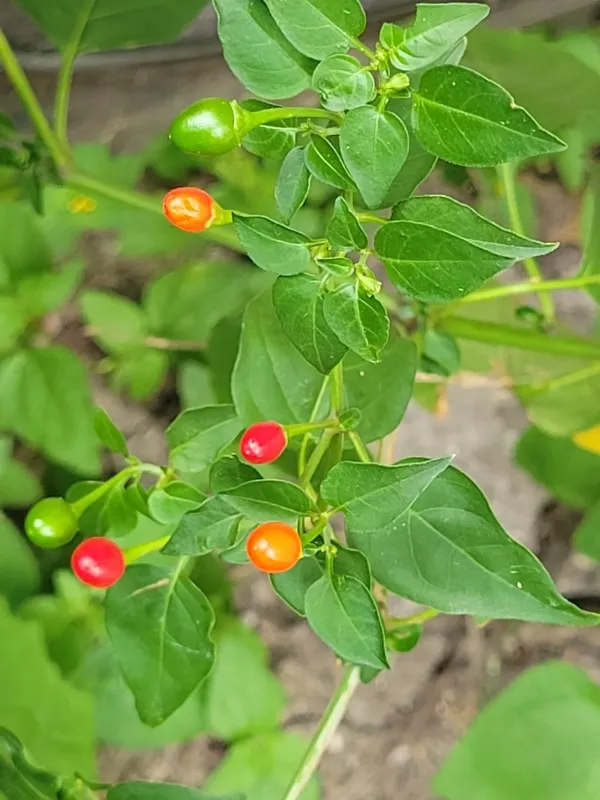
Description
Sowing dates
Seeds of these interspecific hybrids should be started indoors 10 to 12 weeks before the planned outdoor planting date to ensure a robust seedling.
Maintaining a constant soil temperature between 26 and 29 degrees Celsius is critical for consistent germination of this specific crossbreed.
The use of high-intensity supplemental lighting is necessary to prevent etiolation and ensure the plants develop a strong, thick stem before transplanting.
Hardening off the seedlings over a period of 7 to 10 days before moving them to a permanent location is essential to reduce transplant shock.
Spacing between plants should be sufficient to ensure good airflow, which is vital given the dense foliage growth typical of these vigorous hybrids.
Growing requirements
As a member of the Solanaceae family, this crop thrives in locations with full sun exposure and requires at least 6 to 8 hours of direct light daily.
The ideal soil is well-drained, fertile, and rich in organic matter with a pH balance maintained between 6.0 and 6.8 for optimal nutrient uptake.
Adequate water management is required; while they love moisture, they are highly sensitive to waterlogged conditions that lead to root asphyxiation.
Regular monitoring of fertilizer application is recommended, focusing on higher potassium levels during the fruit-setting stage to enhance crop quality.
The hybrids are particularly sensitive to sudden drops in temperature, and protection against wind and cold drafts is advised in cooler climates.
Main diseases and pests
Aphids are a primary pest concern for this hybrid, often leading to the transmission of mosaic viruses that can stunt growth and ruin the fruit yield.
Spider mites can thrive in the dry, warm environments of greenhouses, necessitating consistent humidity monitoring and biological control methods.
Fungal diseases like Phytophthora blight and various fruit rots remain significant risks, especially during periods of high humidity and poor ventilation.
Integrated pest management strategies are encouraged to maintain the health of the plants throughout the long growing season typical of these hybrids.
- Daily pest scouting
- Crop rotation every three years
- Application of organic mulches
- Proper spacing for ventilation
Harvesting
Harvesting should occur once the fruits have reached their full color development, which maximizes both the aroma and the heat profile of the peppers.
Because these hybrids often produce a high volume of fruit, regular harvesting is necessary to prevent branches from breaking under the weight of the crop.
Using sharp, sterilized tools for harvest prevents mechanical damage to the plant and lowers the risk of spreading infections between individual plants.
After harvest, fruits should be kept in a cool, dry place to prevent decay if they are not intended for immediate processing or consumption.
The unique flavors of this interspecific cross make it highly sought after for gourmet cooking and the specialty production of high-end hot sauces.