
Aralia chinensis
Aralia chinensis L.
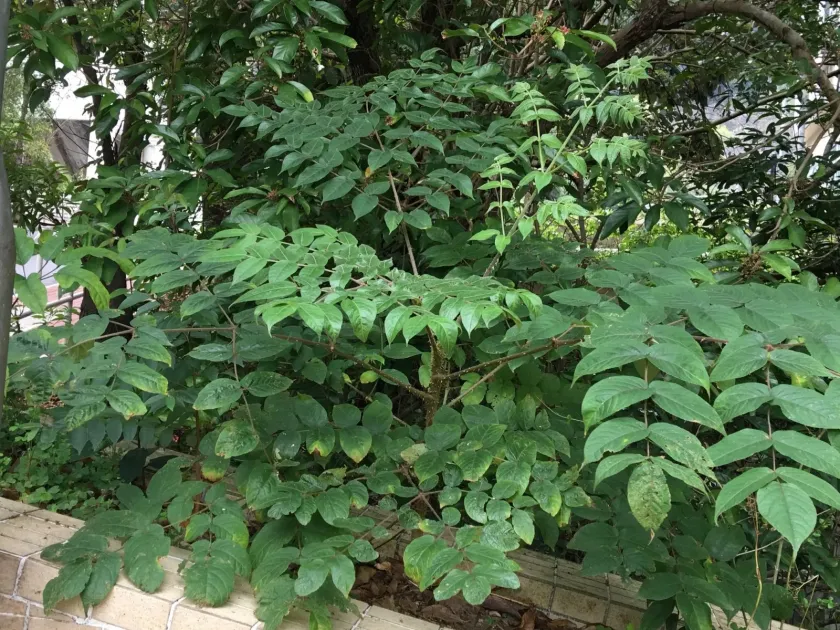
Description
Sowing dates
Sowing seeds of Aralia chinensis is most successful when performed in the fall, allowing the seeds to undergo natural stratification outdoors during the winter months. This cold exposure is crucial to break the seed's deep dormancy and ensure germination in the spring.
If sowing is planned for the spring, seeds must be artificially stratified in a refrigerator at temperatures between 0 and 5 degrees Celsius for at least 3 to 4 months. Without this cold treatment, germination rates will be extremely low or unsuccessful.
Seeds should be sown at a depth of approximately 1 to 1.5 cm in well-drained, fertile soil. Maintaining proper spacing between rows, typically around 30 cm, is essential for adequate airflow and ease of subsequent maintenance activities.
Propagation can also be achieved through root cuttings taken in early spring before the start of active growth. Cuttings about 10–15 cm long are buried horizontally in a moist, sandy soil mix to encourage the development of new shoots.
Seedlings grow slowly during the first season and require constant moisture. Weeding is critical during this stage, as the young plants are not yet competitive enough to withstand heavy encroachment from faster-growing invasive weeds.
Growing requirements
Aralia chinensis, a member of the Araliaceae family, thrives in fertile, loamy soils with good drainage. The species is highly intolerant of waterlogged conditions, which can lead to rapid root decay if not managed through proper site selection or drainage systems.
This species prefers locations with ample sunlight but can tolerate partial shade in its juvenile stages. Adult specimens are robust but require protection from harsh, dry winds that can damage their large, compound, spiny foliage.
Regarding climate, the plant is moderately frost-hardy, although young plants may require winter protection in colder regions. Mulching the base of the plant with organic matter helps stabilize soil temperature and protects the root system from deep freezes.
The soil pH should ideally be close to neutral (6.0–7.0). For optimal growth, regular application of balanced fertilizers during the active growing season will support the development of the characteristic thorny, woody stems.
Due to its potential size, often reaching 3 to 5 meters in height, sufficient space must be provided. Individual plants should be spaced at least 2 meters apart to allow for proper crown development and access for harvesting.
Yield
The primary agricultural output of Aralia chinensis is its roots, which are harvested for medicinal purposes. A typical commercial yield is only achievable after the plants reach 5 to 7 years of maturity, allowing them to accumulate active compounds.
Yield capacity is heavily influenced by soil fertility and irrigation management. In well-maintained plantations, the roots represent a significant biomass that can be extracted for use in the pharmaceutical industry as an adaptogenic agent.
The harvest cycle is singular, as the extraction of the root system usually involves removing the entire plant. Therefore, crop rotation plans must be established to ensure the continuous availability of raw material over multi-year cycles.
Higher yields of active chemical compounds are typically observed when harvesting occurs at the end of the growing season. By this time, the plant has translocated its energy reserves into the roots, maximizing the therapeutic potential of the harvested material.
Managing soil nutrients through organic amendments after each harvest cycle is essential for maintaining site productivity if the land is to be reused for subsequent plantings of the same crop.
Main diseases and pests
Root rot is the most significant threat to Aralia chinensis, especially in environments with poor drainage. Proactive irrigation control and soil aeration are the primary defenses against these fungal pathogens.
Foliar fungal diseases, such as leaf spots, may appear during humid seasons. If detected, prompt removal of affected leaves and the use of copper-based or systemic organic fungicides can prevent the spread of the infection throughout the plantation.
Common pests include aphids and spider mites, which frequently attack during hot, dry spells. These pests weaken the plant by feeding on the sap, potentially making the plant more susceptible to secondary viral or bacterial infections.
Integrated pest management strategies are recommended, focusing on the early detection of pests. Biological controls, such as introducing predatory insects, are highly effective in maintaining a balance within the plantation environment.
Maintaining strong, vigorous plants through consistent agricultural practices is the best prevention against pests. Stressed plants are much more likely to show signs of infestation compared to those that receive adequate water and nutrients.
Harvesting
Harvesting should be conducted during the dormant period, either in late autumn after the foliage drops or in early spring before the buds break. This timing ensures the highest possible concentration of medicinal saponins in the roots.
The roots must be carefully extracted from the soil to minimize mechanical damage. After lifting, they are thoroughly cleaned of soil and debris, rinsed in cold water, and inspected for any signs of decay or diseased sections.
Drying is a critical step in preserving the chemical integrity of the roots. Initially air-dried under a canopy, the final product is processed in controlled dryers at temperatures not exceeding 60 degrees Celsius to avoid breaking down active molecules.
- Careful extraction from soil
- Cleaning and debris removal
- Cutting into standardized segments
- Slow heat-controlled drying
- Proper storage in moisture-controlled containers
Once dried, the product should be stored in cool, dark, and well-ventilated conditions. Properly handled, the medicinal roots of Aralia chinensis retain their therapeutic potency for several years.