
Ascherson onion
Allium aschersonianum Barbey
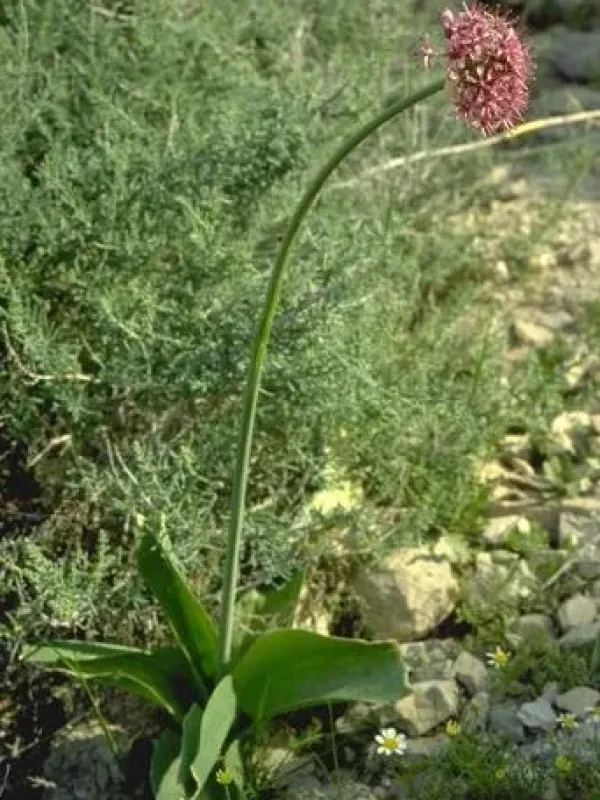
Description
Growing requirements
Ascherson onion (Allium aschersonianum) is a perennial bulbous plant belonging to the Amaryllidaceae family. Native to the Eastern Mediterranean, particularly regions in the Levant and Syria, it is adapted to harsh, arid climates characterized by dry summers and cool, rainy winters.
The plant thrives in well-drained, sandy, or rocky soils that prevent waterlogging. It is highly sensitive to soil texture and requires excellent drainage to ensure the health of the bulb during its dormancy phase. Exposure to direct sunlight is essential for both vegetative growth and the development of the flowering stalk.
Botanically, it features a medium-sized bulb protected by fibrous tunics and narrow, strap-like leaves that appear in early spring. The inflorescence is a dense, spherical umbel typical of the Allium genus, which provides ornamental value during the peak of the spring season.
Cultivation practices focus on simulating its native environment: high solar intensity, infrequent watering during the growing phase, and a strict dry period after the foliage dies back. Any moisture accumulation during dormancy significantly increases the risk of bulb rot and fungal pathogen development.
In modern practice, this species is primarily maintained in specialty collections or rock gardens where the specific drainage and soil requirements can be meticulously controlled. Its rarity and specific ecological demands make it a plant for experienced enthusiasts rather than for commercial mass production.
Main diseases and pests
The primary threats to Allium aschersonianum include fungal infections like Fusarium basal rot, which is triggered by excessive soil moisture and poor drainage. Maintaining a proper dry cycle is the most effective cultural method to prevent these subterranean pathogens from colonizing the bulbs.
In terms of pests, onion flies and thrips are the most common adversaries. These insects can compromise the leaf tissue or damage the bulb, creating entry points for opportunistic bacteria. Regular inspection and localized treatment are recommended to keep the plant population healthy.