
Great-headed garlic
Allium ampeloprasum L.
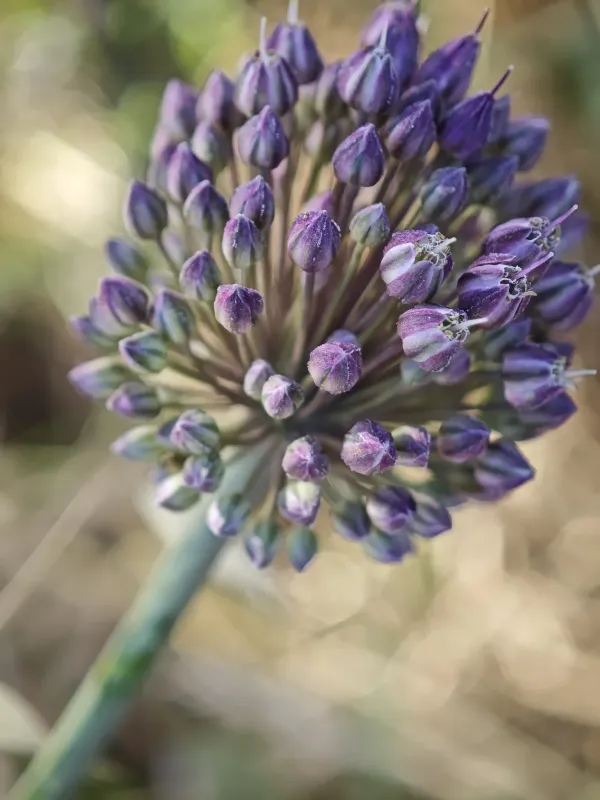
Description
Sowing dates
Great-headed garlic, botanically classified as Allium ampeloprasum, is a hardy perennial belonging to the Amaryllidaceae family. Often confused with garlic, this crop is physically larger and is cultivated commercially for its mild flavor and significant culinary versatility.
The planting process usually begins in early spring or late autumn, depending on the climatic zone and desired harvest schedule. For optimum results, cloves or seeds are planted in well-prepared, friable soil at a depth of approximately 5 to 10 centimeters.
Row spacing should be maintained at 40 to 50 centimeters to allow for proper airflow and mechanical weeding between plants. Consistent spacing is vital for the development of large, high-quality bulbs, as overcrowding significantly limits the size and weight of individual plants.
Proper bed preparation involves deep tilling and the incorporation of aged organic matter to improve soil structure and moisture retention. Ensuring the soil is free of weeds during the initial stages of growth is critical for crop establishment.
The selection of planting stock is an important agronomic decision; using large, healthy cloves from the previous season's harvest often results in more uniform and vigorous plant growth. Crop rotation practices should be strictly followed to minimize soil-borne pathogen risks.
Growing requirements
This crop thrives in fertile, well-draining soils with a pH ranging between 6.0 and 7.5. It is highly sensitive to waterlogged conditions, which can lead to root rot and other physiological disorders, making adequate soil drainage a fundamental requirement.
Full sunlight exposure is necessary to maximize vegetative growth and bulb development. While the plant can tolerate partial shade, insufficient light often results in thin stems, reduced leaf production, and poorly developed bulbs that are susceptible to storage issues.
Irrigation management is essential throughout the growing season, particularly during periods of rapid leaf expansion and bulb formation. A consistent moisture supply helps maintain high turgor pressure in the tissues, ensuring a crisp and high-quality final product.
Nutrient requirements are moderate, with a focus on balanced NPK fertilization tailored to specific soil test results. Nitrogen applications are most effective in the early vegetative phase, while potassium levels should be monitored to support bulb maturation.
The plant demonstrates excellent winter hardiness in many regions, although extremely low temperatures combined with moisture can damage the crown. Mulching may be employed in colder climates to protect the root system and regulate soil temperature fluctuations.
Main diseases and pests
The most common pests affecting this crop include onion maggots and various species of thrips. Integrated pest management strategies, including the use of sticky traps and beneficial predatory insects, are recommended for maintaining population levels below the economic threshold.
Fungal diseases like white rot and downy mildew are significant concerns in humid environments. To mitigate these risks, farmers must ensure adequate plant density to promote air circulation and avoid overhead irrigation during periods of high humidity.
Soil-borne nematodes can pose a severe threat, particularly in sandy soil types where they cause root deformation and stunted growth. Soil sterilization or the use of nematode-resistant crop varieties in the rotation are effective management techniques.
Virus infections, often transmitted by aphids, can cause yellowing and necrosis of the leaves. Maintaining weed-free margins around fields helps reduce reservoirs for both vectors and viral pathogens, thereby protecting the overall health of the planting.
A proactive approach to crop health involves regular field inspections and the removal of any symptomatic plants to prevent the localized spread of diseases. Balancing chemical interventions with biological control methods ensures a sustainable production system.
Harvesting
Harvesting typically occurs in late summer when the lower leaves begin to yellow and turn brown, indicating that the bulb has reached maturity. Timing is crucial, as delayed harvest can result in split bulbs or increased susceptibility to soil pathogens.
Plants are carefully lifted from the soil to avoid damaging the outer skins of the bulbs. Once lifted, they should be left to cure in a dry, ventilated area for several weeks, which facilitates the sealing of the neck and improves the longevity of the bulbs in storage.
After curing, the remaining dry leaves are trimmed, and soil is gently brushed off the bulbs. Proper handling during this stage is essential, as even minor cuts or bruises can lead to the rapid development of post-harvest storage rots.
Grading of the harvest allows for the sorting of bulbs by size and quality, ensuring that premium produce is marketed appropriately. Proper cleaning and packaging are necessary to maintain the freshness and commercial appeal of the crop.
For long-term storage, the bulbs should be kept in a cool, dark, and well-ventilated space. Stable temperatures and low humidity are the keys to preserving the unique flavor and texture of this versatile bulb crop through the off-season months.