
Altai onion
Allium altaicum Pall.
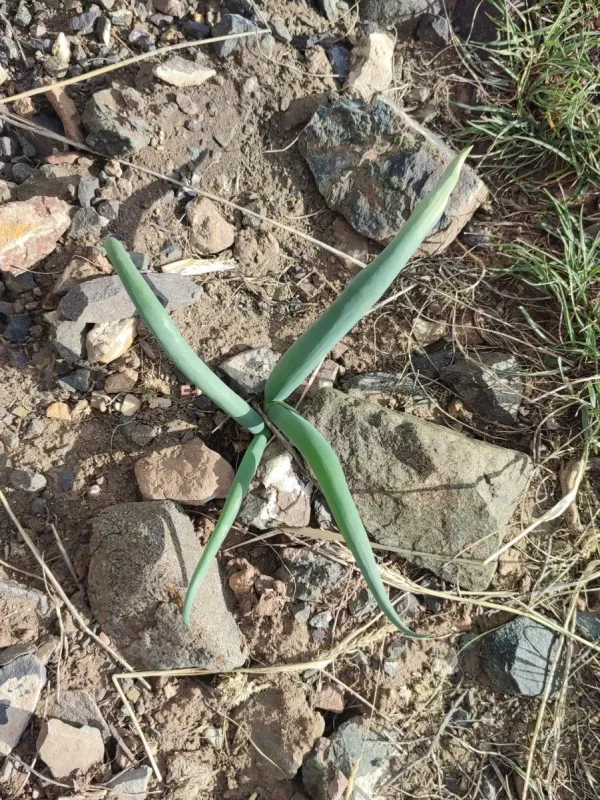
Description
Sowing dates
The Altai onion (Allium altaicum Pall.) is a perennial herbaceous plant belonging to the Alliaceae family. It originates from the rocky mountainous regions of the Altai, Siberia, Mongolia, and China.
Sowing is typically performed in early spring as soon as the soil can be worked, or in late autumn for winter dormant seeding, which allows for natural cold stratification of the seeds.
Seeds should be planted at a depth of approximately 1.5 to 2 centimeters. Proper spacing is critical: rows should be 40–50 cm apart to accommodate the plant's future clumping growth habit.
Using high-quality, fresh seeds is recommended to ensure optimal germination rates, as the seeds of this species can lose viability relatively quickly if stored improperly.
While seedlings can be grown in containers, direct seeding in well-prepared beds is the most common practice for establishing long-term perennial plantings.
Growing requirements
This species is exceptionally cold-hardy, thriving in harsh continental climates where temperatures frequently drop well below freezing during the winter months.
Full sun exposure is required for the best growth results. Shady environments significantly reduce the photosynthetic capacity and lead to stunted development of the foliage.
Altai onions prefer well-drained, sandy loam or loamy soils with a near-neutral pH level. Heavy clay soils that retain excess moisture should be amended with organic matter.
Good drainage is essential, as the roots are sensitive to waterlogging, which often leads to root rot, especially during the spring thaw or periods of heavy rainfall.
Routine weeding and maintaining soil aeration through regular shallow cultivation are necessary practices to keep the plants vigorous throughout the growing season.
Yield
The productivity of Altai onion plantations increases significantly after the first year as the plants develop robust, multi-stemmed clumps from their rhizomes.
Under optimal conditions, the crop can provide multiple harvests per season. It is common to harvest the green leaves two or three times before allowing the plant to rest.
The yields are highest in the second and third years of cultivation. Proper fertilization with nitrogen-based amendments after each harvest is key to high yields.
Proper management of the plantation allows for high output of green foliage, which is highly valued for its intense flavor and nutritional content compared to common garden onions.
After 5–7 years, the clumps typically become too dense, necessitating division and replanting to maintain the overall yield potential of the area.
Main diseases and pests
Downy mildew is the most significant disease affecting Altai onions, especially in humid conditions with poor air circulation between the plants.
Rust can also affect the foliage, resulting in orange or brown pustules that weaken the plant and reduce the marketability of the green harvest.
The onion fly is the primary insect pest, as its larvae burrow into the base of the plant, often causing the entire cluster to wilt and eventually die.
Thrips may also infest the leaves, causing silvering and distortion. Integrated pest management, including crop rotation and removal of debris, is essential.
- Utilize disease-resistant varieties if available.
- Ensure proper spacing to increase airflow.
- Avoid over-irrigation during damp periods to minimize fungal spread.
Harvesting
Green leaves should be harvested when they are tender, usually reaching a height of 25–35 cm. Delaying harvest causes the leaves to become fibrous and less desirable.
Harvesting is done by cutting the foliage at least 3–5 cm above the soil surface to preserve the growing point, which ensures the plant will regenerate quickly.
Freshly harvested onions should be chilled immediately and kept in cool, humid conditions to maintain shelf life and prevent wilting during transportation to market.
For seed production, allow selected healthy plants to flower and develop their umbels until the seeds turn black, signaling maturity in late summer.
Post-harvest handling involves cleaning the leaves of any soil, grading them by size, and bundling them into consumer-ready units for distribution.