
Stinking cedar
Torreya taxifolia
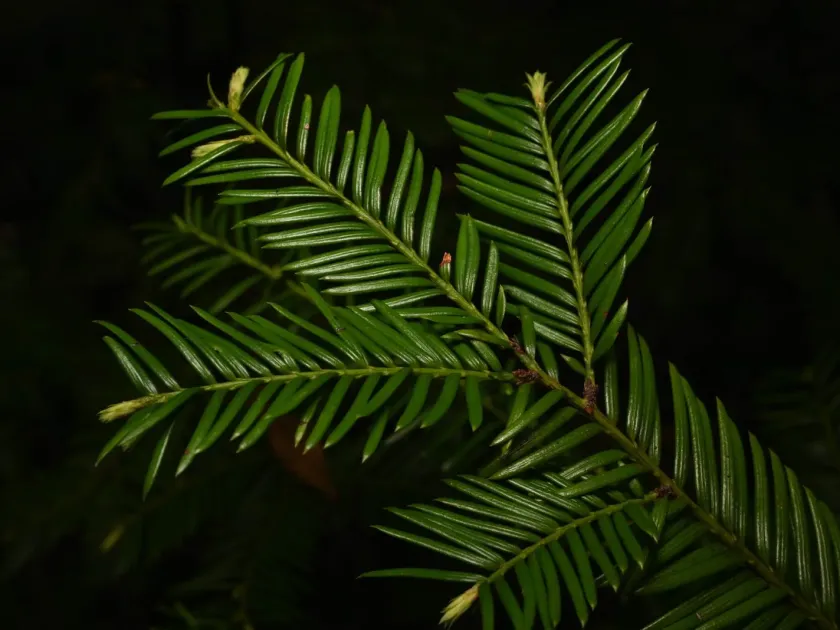
Description
Growing requirements
Torreya taxifolia, commonly known as the Florida torreya or stinking cedar, is a rare evergreen coniferous tree belonging to the Yew family (Taxaceae). It is a relic species native to a very limited range along the Apalachicola River in the southeastern United States.
The species requires deep, moist, and well-drained soils, preferably rich in limestone. It thrives in shaded environments, typically under the canopy of deciduous hardwoods, which provide the necessary protection from direct solar radiation and help maintain a humid microclimate.
Regarding climate, this tree prefers mild temperatures without extreme fluctuations. It is not cold-hardy in severe northern climates and requires protected locations or temperate zones to survive. It is sensitive to drought and needs supplemental irrigation during dry periods.
Agrotechnical maintenance involves the application of organic mulch to preserve soil moisture and regulate temperature around the root zone. Fertilizer applications should be minimal and restricted to early spring to avoid stimulating late-season growth that is susceptible to frost damage.
Cultivation of this species is largely focused on conservation and botanical collections. Planting should mimic its natural forest habitat as closely as possible, ensuring adequate space and protection from competing fast-growing woody species.
Main diseases and pests
The most significant threat to Torreya taxifolia is the pathogenic fungus Fusarium torreyae. This disease causes stem cankers and leads to the rapid decline and death of the tree, posing an existential risk to both wild and cultivated populations.
Pests such as scale insects and spider mites can infest trees in nursery settings, particularly when humidity levels are not properly managed. These insects can cause needle discoloration and weaken the tree's overall vigor.
Root rot pathogens represent a constant threat, especially if drainage is inadequate. Overwatering or planting in heavy clay soils facilitates the proliferation of water molds, which can destroy the root system in a relatively short time.
Young trees are also vulnerable to browsing by deer and other wildlife, which can physically damage the structure of the saplings. Fencing or protective barriers are often necessary for successful establishment in areas with high wildlife pressure.
Integrated pest management is critical for this species. This includes regular scouting for symptoms of fungal infection, maintaining strict sanitation procedures during pruning, and ensuring that no mechanical damage is inflicted upon the tree trunk during routine maintenance.