
Austrotaxus
Austrotaxus
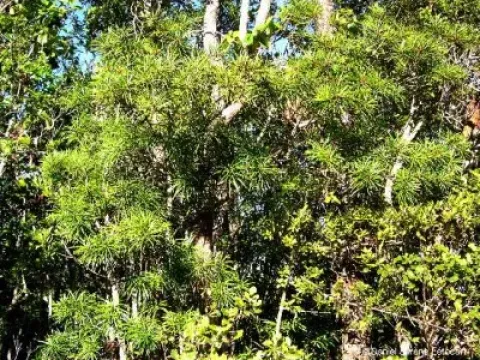
Austrotaxus (Austrotaxus spicata) is a unique coniferous tree species representing the only genus within the Taxaceae family that is endemic to New Caledonia. It is a slow-growing evergreen conifer found naturally in humid mountain forests at elevations ranging from 200 to 1,500 meters above sea level.
What the section contains

Austrotaxus
Botanically, the species is distinct due to its unique reproductive structure, which differentiates it from other members of the yew family. The foliage consists of long, narrow, dark green leaves that are arranged in a spiral pattern, providing a specific aesthetic appearance typical for primitive gymnosperms.
The climate requirements for Austrotaxus are quite specific; it thrives in a stable, humid, subtropical environment. The tree is intolerant of frost and extreme temperature fluctuations, which dictates its restricted natural distribution and makes outdoor cultivation impossible in temperate climate zones.
Regarding soil requirements, the species prefers well-draining, slightly acidic, and nutrient-rich forest soils. In artificial conditions, it requires careful management of irrigation to ensure roots are moist but never waterlogged, as poor drainage is the primary cause of decline for this rare species.
From an agricultural and forestry perspective, Austrotaxus does not have commercial utility. Its cultivation is primarily reserved for specialized botanical gardens and research conservation programs. Efforts are focused on preserving the genetic material of this ancient species rather than timber production.
The primary threats to Austrotaxus involve habitat loss caused by deforestation, climate change, and invasive species within the New Caledonia archipelago. Due to its very small and fragmented native population, any significant ecological change poses a high risk to its survival.
In nursery environments, the plant is susceptible to various root rot pathogens if the substrate lacks adequate aeration. Fungal infections thrive in the humid conditions required for the plant's growth, necessitating excellent ventilation and strict adherence to hygiene protocols to prevent damage.
Insect pests such as wood-boring larvae and various sap-sucking insects could potentially harm the foliage or stems. While research on specific pests affecting this species is limited, standard integrated pest management practices for conifers are generally applied in conservatory settings.
Disease management for Austrotaxus focuses on prevention. Maintaining optimal moisture levels and ensuring regular inspection for signs of stress or pathogen presence are critical. Due to its rarity, any intervention must be handled with precision to avoid chemical damage to the tree tissues.
The survival of the species relies on protected area management in its native range. Ex-situ conservation in botanical gardens acts as a safeguard against potential extinction in the wild, ensuring that this primitive conifer remains available for scientific study and future reforestation efforts.