
Japanese nutmeg yew
Torreya nucifera
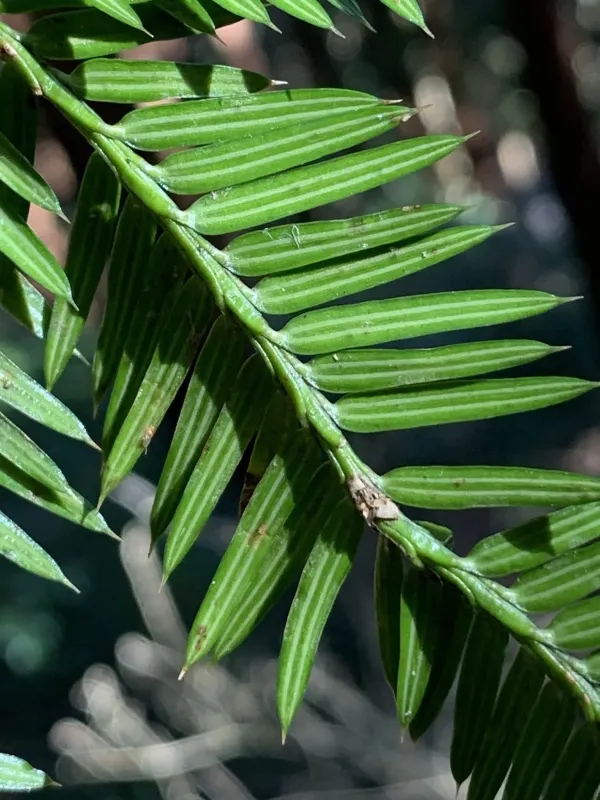
Description
Sowing dates
Propagation of Torreya nucifera is primarily performed through seeds, which require specific post-harvest handling. Sowing should ideally occur in the autumn, immediately after the seeds are collected, to allow for natural stratification in the soil during the winter.
For spring sowing, seeds must undergo cold stratification at temperatures between 0 and 5 degrees Celsius for at least three to four months. This treatment is essential to break the dormancy of the embryo and ensure a successful germination rate in the spring.
The sowing substrate should be a well-draining mixture of peat, sand, and compost to prevent waterlogging, which is a major cause of seed rot. Seeds should be planted at a depth of 3 to 5 centimeters, depending on the soil structure.
Seedlings grow very slowly during their first years and require dedicated care in nursery settings. Protection from direct sunlight is crucial during the early stages of life to prevent foliage desiccation and ensure steady establishment.
Transplanting to a permanent location is recommended when the seedlings are at least 3 to 5 years old. Proper root ball handling during this transition is vital to reduce transplant shock and promote faster growth in the new environment.
Growing requirements
Torreya nucifera, a member of the Taxaceae family, is an evergreen conifer reaching heights of up to 25 meters. It thrives in humid, subtropical climates with mild winters, preferring regions where environmental extremes are minimized.
The soil requirements are high: the tree prefers deep, fertile, loamy soils with a slightly acidic to neutral pH. Adequate drainage is non-negotiable, as the roots are sensitive to hypoxia caused by stagnant water in the ground.
While the tree is shade-tolerant, particularly when young, adequate light exposure for the crown is necessary for optimal fruit production in mature specimens. Positioning in partially shaded areas can protect the tree from excessive heat.
The tree needs protection from strong, drying winds, which can significantly damage the needles and reduce the vigor of the plant. Site selection should account for natural windbreaks in open landscape settings.
Maintenance involves regular mulching to keep the root system cool and retain soil moisture. Nutrient requirements can be met with balanced organic fertilizers applied during the early spring to support the annual growth cycle.
Yield
The primary agricultural output of Torreya nucifera is its edible nut, often referred to as the Japanese nutmeg. Commercial yields are generally expected only after the tree reaches maturity, typically around 15 to 20 years of age.
Apart from the nuts, the tree is highly valued for its durable and rot-resistant wood. This timber is historically significant in Japan for the manufacture of high-quality Go boards (goban), as well as fine musical instruments and traditional crafts.
Nut production is a long-term commitment, as the development cycle from pollination to maturity spans two years. Consistent moisture and nutrient levels during these two years are critical to ensure a high-quality harvest.
The extracted nut oil is highly prized for both culinary and cosmetic applications due to its unique chemical profile. This secondary value makes the culture an interesting prospect for specialized nut orchards and small-scale agroforestry.
Yield efficiency can be significantly improved through proper canopy management and selective thinning of branches to ensure light penetration. These practices promote the development of reproductive buds and larger nut sizes.
Main diseases and pests
Root rot caused by pathogenic fungi is the most significant threat to the plant, especially in heavy or poorly drained soils. Symptoms include needle chlorosis and branch dieback, which can progress quickly if not addressed.
Pests such as scale insects and spider mites can infest the foliage, drawing sap and weakening the tree. Infested trees become highly susceptible to secondary pathogens, which can lead to significant canopy decline.
Integrated pest management, including the use of targeted insecticides and improved cultural practices, is the most effective approach. Maintaining proper spacing between trees helps reduce humidity and limits the spread of fungal spores.
Sanitation is key; all infected foliage and deadwood must be removed and destroyed far from the orchard site. This prevents the buildup of inoculum that could lead to widespread infections during rainy seasons.
Regular monitoring of the bark and root zone is recommended twice a month during the growing season. Early detection of stress factors allows for timely intervention before the health of the entire tree is compromised.
Harvesting
Harvesting takes place in late autumn when the outer fleshy aril turns a characteristic purple-brown color. It is essential to complete the harvest before the first hard frosts, which can damage the quality of the kernels.
Nuts are gathered manually from the branches and the ground underneath the trees. Once collected, they must be cleaned immediately to remove the fleshy outer layer, which contains high levels of resinous compounds.
The cleaned seeds are dried in well-ventilated, shaded areas for several weeks. Proper drying is crucial to reduce moisture content to safe levels, thereby preventing the growth of molds and protecting the stored product.
Storage should occur in breathable containers, such as linen bags, kept in a cool, dry environment away from rodents and moisture. Regularly checking the stored nuts ensures they remain free from pests and humidity-related damage.
Traditional culinary preparation includes soaking the nuts in salt water to remove bitterness before roasting or further processing. This step enhances the final flavor profile, making the nuts highly palatable for diverse uses.