
Torreya jackii
Torreya jackii
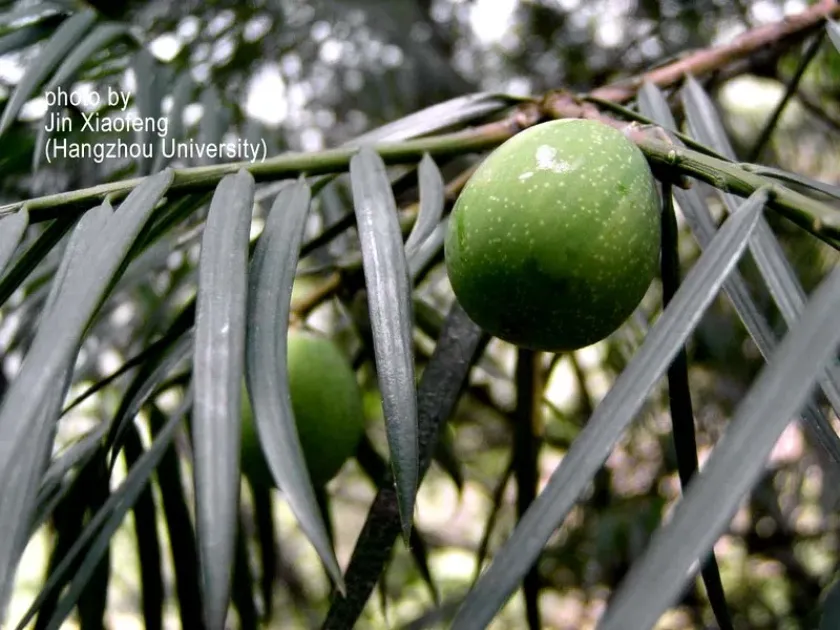
Description
Sowing dates
Torreya jackii, a rare species belonging to the Taxaceae family, requires careful handling during the propagation phase. Natural seed germination is often slow, necessitating stratification techniques to break seed dormancy and improve success rates in agricultural settings.
Seeds should be sown in a well-draining, loose soil medium shortly after collection in the autumn or following a cold treatment period in spring. Maintaining a consistent temperature is crucial for the early stages of development until the seedlings become established.
Vegetative propagation via cuttings is a common method for cloning specific traits. Cuttings taken from semi-hardwood in late summer respond well when placed in a controlled environment with high humidity and stabilized temperatures to promote root development.
The growth rate of Torreya jackii is relatively slow during the initial years, requiring patience and effective weed control in the nursery. Providing a balanced, nutrient-rich substrate ensures the young plants have a strong start before transplantation.
Transplanting young trees to their permanent location should be done with care to avoid root ball disruption. Protecting newly planted trees from harsh environmental stressors like intense wind or direct sun exposure is essential for their long-term survival.
Growing requirements
Torreya jackii thrives in environments that mimic its natural habitat in subtropical forest regions. It prefers sites with high atmospheric humidity, sheltered from extreme weather fluctuations and drying winds that can damage its evergreen foliage.
The ideal soil for this species is deep, fertile, and well-drained with a slightly acidic to neutral pH. Poor drainage is a significant risk factor, as it can easily lead to root rot and other moisture-related pathogens that quickly impact tree health.
Partial shade is the preferred exposure for Torreya jackii, especially during the juvenile stage. While mature trees may tolerate more light, excessive exposure to full sun can cause scorching of the needles, reducing the aesthetic and physiological vigor of the tree.
Consistent soil moisture is necessary for optimal development, particularly during the active growing season. Applying organic mulch around the base of the tree helps retain moisture, regulate soil temperature, and suppress competitive vegetation.
Temperature management is vital, as the species is sensitive to extreme frosts. Providing protective measures during the winter, such as wrapping or mulching, is recommended for young plants to prevent cold-induced tissue damage and desiccation.
Main diseases and pests
Root rot caused by fungal pathogens is the primary threat to Torreya jackii in poorly managed horticultural conditions. Maintaining proper soil drainage and avoiding over-irrigation are critical preventative measures for any grower.
Pests such as spider mites and scale insects can infest the foliage, particularly in areas with poor air circulation or stressed trees. Regular inspection of the needles is necessary to detect early signs of infestation and apply targeted treatments.
Rodent damage to the bark during the dormant winter months can severely weaken the tree and create entry points for secondary diseases. Installing physical barriers or tree guards is an effective strategy to prevent mechanical damage to the trunk.
Nutrient imbalances, particularly an excess of nitrogen, can result in soft, succulent growth that is highly susceptible to pests and diseases. A balanced fertilizer program focusing on phosphorus and potassium strengthens the plant's structure.
Monitoring for signs of chlorosis or needle yellowing can provide early indicators of micro-nutrient deficiencies or soil pH issues. Adjusting soil conditions promptly ensures the tree retains its health and remains resilient against common threats.