
Chinese Torreya
Torreya grandis
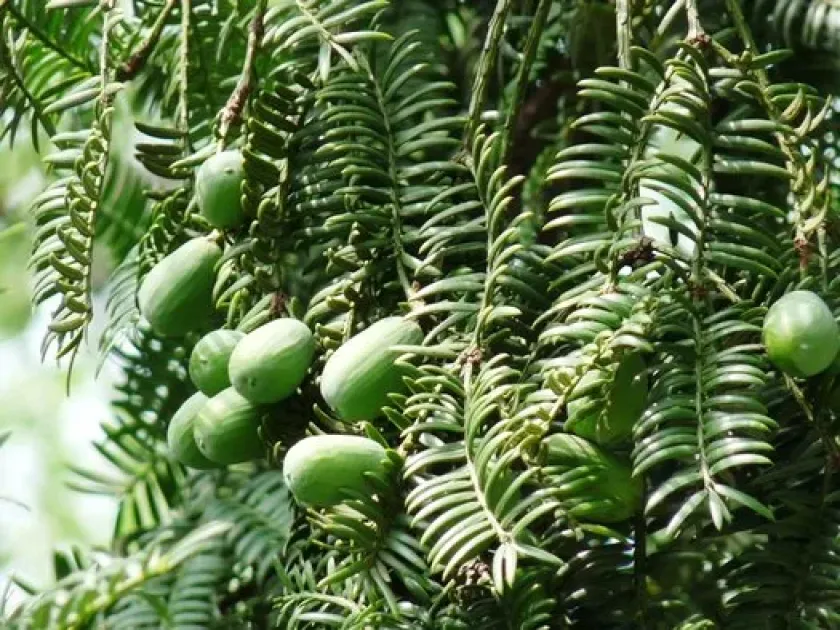
Description
Sowing dates
Cultivation of Torreya grandis typically begins with seeds, which require a lengthy stratification process to break dormancy. This process involves maintaining the seeds in a moist, cold environment for several months before they are ready for planting in a nursery setting.
Seeds are sown in early spring when temperatures remain consistently above freezing. The soil medium must be highly porous and well-drained to ensure proper development of the taproot, which is essential for the tree's future stability and growth.
Vegetative propagation via cuttings is a viable alternative for maintaining desirable genetic traits. Cuttings are taken from healthy, semi-hardwood stems and placed under high-humidity conditions to encourage root formation before eventual transplanting.
Young seedlings require careful shade management for the first few years of growth. Intense direct sunlight can desiccate the young needles and stunt the overall development of the tree, necessitating protective coverings in nursery rows.
Transplanting into the permanent orchard site should be done when the sapling reaches a robust stage, typically after three years of development. Ensuring minimal disturbance to the root ball during this process significantly improves survival rates.
Growing requirements
Torreya grandis is a member of the Taxaceae family and is native to the subtropical regions of eastern China. It thrives in humid climates where summers are warm and winters are relatively mild, avoiding extreme frost conditions.
Soil quality is paramount for this species; it favors fertile, deep, and slightly acidic to neutral soils with excellent drainage. Waterlogging is a primary enemy of the tree, as it can cause rapid decline and susceptibility to root rot pathogens.
The tree prefers locations with partial shade during its early stages, transitioning to more direct light as it matures. It is important to shelter the trees from high-velocity winds that can damage the delicate needle foliage and the fruit clusters.
Regular fertilization with organic-rich amendments provides the nutrients required for steady annual growth. Potassium and phosphorus are particularly important for ensuring the tree maintains its health and enters the reproductive stage successfully.
Maintaining proper spacing between trees is essential to ensure adequate airflow and sunlight penetration within the orchard canopy. This practice prevents the accumulation of moisture and reduces the risk of fungal outbreaks.
Yield
The harvest cycle for Chinese Torreya is a long-term investment, with productive yields generally starting when the tree reaches 15 to 20 years of age. Mature trees can remain highly productive for many decades, often for over a century.
The edible nut of the Torreya is highly prized for its nutritional density, including high concentrations of healthy fats, proteins, and minerals. It is a traditional gourmet product used in culinary applications and the pharmaceutical industry.
Oil extracted from the seeds is of superior quality, valued for its culinary uses and its integration into various health supplements. The wood itself is an additional economic asset, known for its longevity and decorative appeal.
Yield management requires careful attention to the tree's health. Over-cropping or environmental stress can lead to biennial bearing patterns, where trees produce heavy yields one year and very little the next, which should be mitigated through proper care.
Modern orchards utilize improved grafting techniques to bring trees to maturity faster and ensure uniformity in the quality of nuts produced across the plantation, maximizing the overall economic output.
Main diseases and pests
Root rot is the most significant threat to Torreya grandis, often appearing when soil drainage is insufficient. Keeping the root zone well-drained and avoiding excess irrigation are the most effective preventive measures against this disease.
Pests such as scale insects and various mites may attack the foliage, leading to needle yellowing and reduced photosynthetic efficiency. Integrated pest management, including the use of beneficial insects, helps keep populations under control.
Fungal leaf diseases can occur during periods of prolonged high humidity and lack of air circulation within the canopy. Regular pruning and maintenance of tree spacing are vital to ensure that the foliage remains dry and healthy.
Weevil larvae can sometimes infest the developing fruits, causing premature drop and significant loss of harvest. Careful monitoring during the development phase and timely intervention are necessary to protect the yield from such damage.
Overall orchard health is best managed through strict sanitation practices. Removing fallen needles and dead branches helps reduce the reservoir of pathogens that could otherwise infect the living trees.
Harvesting
Harvesting usually occurs in the autumn season when the outer hull of the nut begins to crack or change color. Careful timing is critical to ensure that the internal seed has reached peak maturity and optimal flavor.
Hand-harvesting is standard due to the tree's stature and the delicate nature of the fruits. Harvesters often use long poles to gently dislodge the fruits from the branches, ensuring that they do not hit the ground with force.
Immediate post-harvest processing involves de-hulling the fruits to remove the fleshy outer layer. This step must be performed promptly to prevent fermentation or the development of unpleasant flavors in the nut meat.
Drying is the next vital step, performed in clean, shaded, and well-ventilated areas. Controlled drying prevents mold growth and ensures the nuts achieve the correct moisture content for long-term preservation.
Proper storage is the final step in the harvest chain. Nuts should be kept in cool, dry conditions with constant airflow to prevent them from turning rancid, thus maintaining their high quality for the duration of the storage period.