
Torreya
Torreya
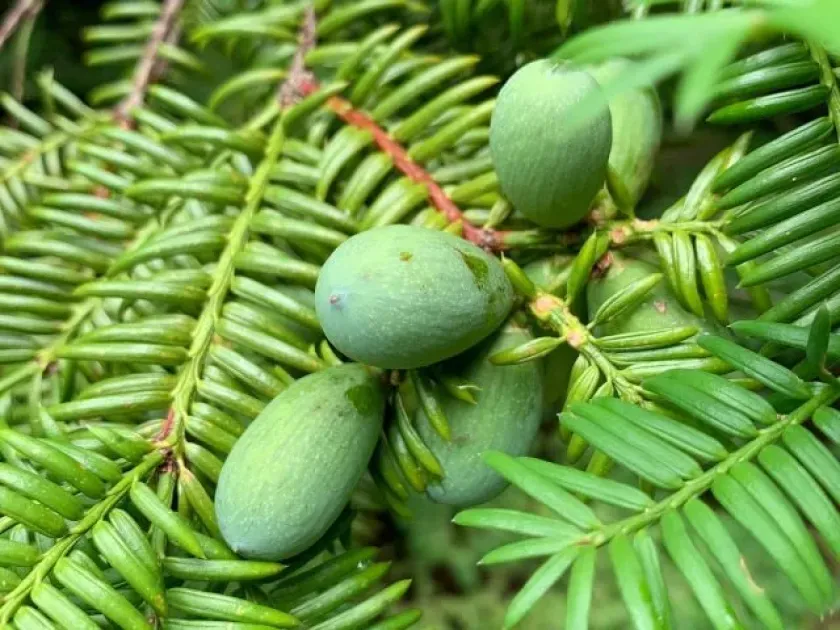
Description
Sowing dates
The seeds of Torreya possess a significant dormancy period, necessitating a prolonged stratification process in cool and moist conditions before germination can occur.
Sowing is best performed in the spring into a well-draining, nutrient-rich substrate while maintaining consistent moisture levels to prevent the seeds from drying out or rotting.
In commercial nurseries, propagation via seedlings is preferred over direct sowing because the initial growth rate of young trees is exceptionally slow.
When transplanting into the field, it is crucial to ensure adequate spacing between individual trees to account for their long-term growth and eventual crown spread.
The optimal time for outplanting is early spring, which allows the root system to establish before the onset of the hottest summer temperatures.
Growing requirements
Torreya is a genus within the Taxaceae family that thrives in sheltered locations featuring deep, fertile, and well-drained soils rich in organic matter.
This species requires high ambient humidity; it does not tolerate prolonged drought conditions and typically benefits from regular watering during the first years of growth.
The trees exhibit moderate winter hardiness but require protection against harsh frost and desiccating winds during the early stages of development.
Partial shade is necessary for juvenile trees, as direct sunlight exposure can damage the foliage and impede overall structural development.
A soil pH ranging from neutral to slightly acidic is ideal, provided that water does not stagnate around the root collar, as the species is sensitive to waterlogging.
Yield
Torreya is primarily cultivated for its edible nuts, which are considered a delicacy, possessing high nutritional value and a distinct, pleasant flavor profile.
Yield efficiency is heavily dependent on cross-pollination between male and female trees, as Torreya species are dioecious, requiring both sexes for fruit production.
The trees are slow to mature, often requiring over a decade of growth before producing a reliable, harvestable yield, making the crop a long-term horticultural investment.
Harvesting typically occurs when the fleshy outer coating of the fruit turns brown, signaling that the inner nut has matured and is ready for collection.
Beyond nut production, Torreya wood is highly esteemed for its durability, fine grain, and natural rot resistance, finding applications in fine woodworking and carpentry.
Main diseases and pests
Fungal pathogens represent the most significant threat to Torreya, particularly in poorly ventilated settings where moisture levels remain consistently high.
Root rot, often caused by suboptimal soil drainage or irrigation mismanagement, is a frequent issue that can lead to the rapid decline of individual trees.
Insect pests, including various needle-mining moths and bark-boring beetles, can cause localized damage that necessitates integrated pest management strategies.
In many regions, habitat loss and environmental changes pose a severe threat to wild populations, limiting the natural dispersal of the species.
Effective management includes regular monitoring for early signs of infection, maintaining clean planting sites, and utilizing preventive pruning to improve air circulation.