
Himalayan Yew
Taxus wallichiana
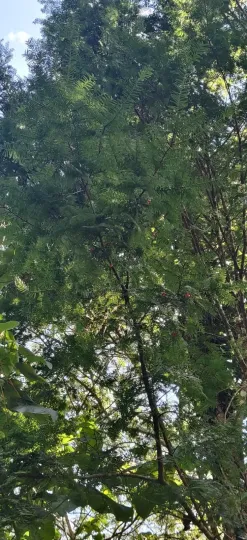
Description
Growing requirements
The Himalayan Yew (Taxus wallichiana) is a distinctive evergreen conifer species within the Taxaceae family, native to the mountainous regions of the Himalayas and Southeast Asia. This species thrives in humid, temperate to subtropical climates and is typically found in mixed forest environments with high atmospheric moisture.
For successful cultivation, the plant requires well-drained, fertile loamy soils with a neutral or slightly acidic pH balance. Poor drainage is the primary cause of plant failure, so agricultural site preparation must ensure that water does not accumulate around the root system to prevent root rot.
Regarding light conditions, Taxus wallichiana is remarkably shade-tolerant, making it an excellent candidate for understory planting or areas with partial cover. However, young specimens should be shielded from intense, direct solar radiation, as their foliage is susceptible to heat stress and desiccation in exposed settings.
Agrotechnical maintenance focuses heavily on moisture management during the first few years of establishment. Mulching the base of the plant with organic material is a standard practice to preserve soil moisture and regulate soil temperature, creating a stable environment for root expansion.
Propagation is predominantly achieved through stem cuttings in specialized nursery settings. This method is preferred over seed sowing, which is notoriously slow and unreliable. Utilizing rooting hormones and controlled greenhouse conditions significantly improves the success rate of propagation for commercial or conservation purposes.
Main diseases and pests
Common pathological issues in Himalayan Yew involve various fungal infections, particularly Phytophthora, which targets the roots under conditions of excessive moisture. A preventive approach involves managing irrigation schedules and utilizing fungicides to maintain the health of the root zone during peak humidity periods.
Pest populations that frequently impact the species include yew gall midges and various scale insects. These pests feed on the needles and stems, causing yellowing, reduced vitality, and structural deformation. Early detection through regular canopy inspections is essential for effective mitigation.
Powdery mildew may also emerge in nurseries or poorly ventilated landscapes where the canopy is too dense. Proper spacing during planting and selective thinning of branches help ensure sufficient air circulation, which significantly reduces the risk of fungal outbreaks within the foliage.
Management of these threats often requires an Integrated Pest Management (IPM) strategy. This involves not only chemical applications when necessary but also cultural practices like removing infected plant debris to break the disease cycle and promoting the plant's natural vigor.
Because the species is highly valued for taxol, a medicinal compound extracted from its bark and needles, sustainable harvesting and strict adherence to horticultural standards are vital to preventing over-exploitation while maintaining healthy populations in controlled farming environments.