
Taxus mairei
Taxus mairei
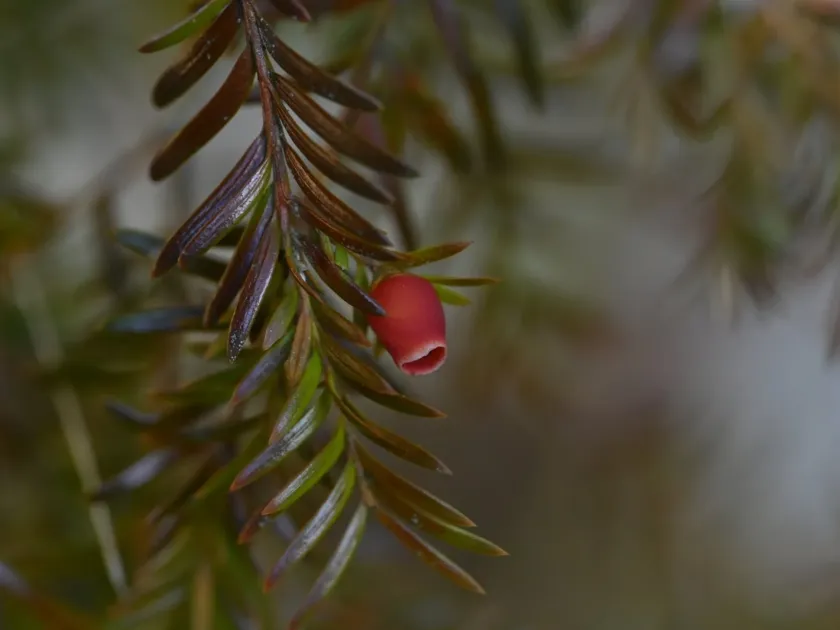
Description
Growing requirements
Taxus mairei is a perennial evergreen coniferous tree belonging to the Taxaceae family. Native to the mountainous regions of China, this species is highly valued for its unique phytochemical properties and its resilience in specialized forest ecosystems.
The tree thrives in cool, humid climates and generally prefers partially shaded conditions, especially during its initial growth phases. While it is hardy, it requires protection from extreme weather events and excessive direct sunlight that can cause scorching of the needles.
Agronomic requirements include fertile, well-drained loamy soils with a slightly acidic profile. Water management is critical; Taxus mairei requires consistent moisture but cannot tolerate waterlogged conditions, which often lead to root suffocation and subsequent decay.
Cultivation practice involves careful site selection and the implementation of mulching strategies to regulate soil temperature and moisture levels. In nursery settings, slow-release fertilizers are applied to support the tree’s gradual growth and development cycle.
Economically, this species is vital for the pharmaceutical industry as a source of taxoids used in oncology research and treatment. Furthermore, it is prized in landscaping for its dark, elegant foliage and its ability to withstand professional shaping and pruning.
Main diseases and pests
Common threats to Taxus mairei include fungal diseases such as Phytophthora root rot, which are particularly problematic in poorly drained soils. High humidity combined with poor airflow in nurseries significantly increases the risk of fungal spread among juvenile trees.
Insect pests, including scale insects and mites, represent a consistent threat to the foliage, weakening the tree's overall vigor. Integrated Pest Management (IPM) protocols are essential to control these populations without harming the beneficial ecosystem surrounding the plants.
Environmental stressors can also negatively affect the species, making it more susceptible to opportunistic pathogens. Proper spacing between trees is essential to ensure adequate air circulation and to minimize the transmission of airborne diseases within the plantation.
Sanitation practices are mandatory for preventing disease outbreaks; this includes the immediate removal and disposal of any plant material showing signs of chlorosis or necrosis. Regular inspections are required to ensure early detection of any health issues.
Maintaining balanced soil nutrition is an effective preventive strategy against many biotic threats. Healthy trees exhibit natural resistance to common pathogens, ensuring the sustained viability of the crop for both medicinal and ornamental applications.