
Mexican yew
Taxus globosa
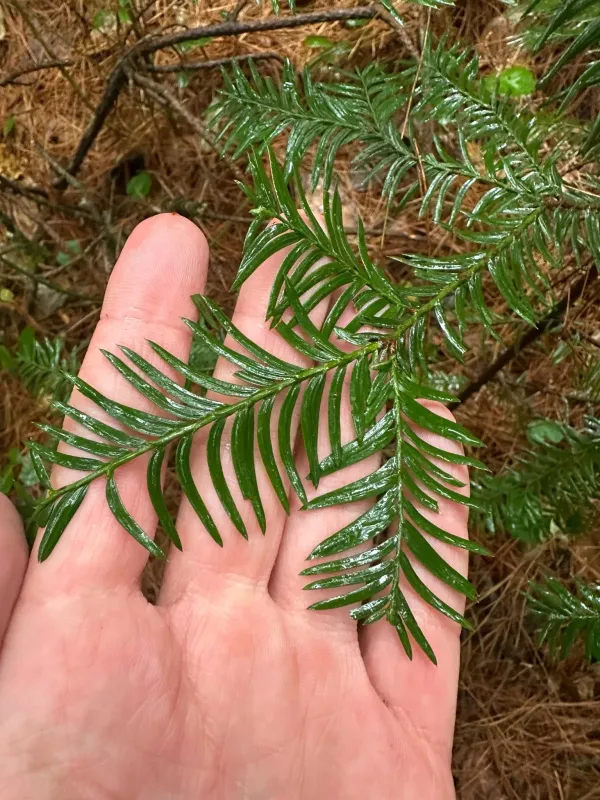
Description
Growing requirements
The Mexican yew (Taxus globosa) is a member of the Taxaceae family, primarily native to the cloud forests of Mexico and parts of Central America.
This species thrives in high-humidity environments, requiring stable moisture levels and protection from direct, harsh sunlight to maintain its signature foliage color.
Optimal soil conditions include well-drained, nutrient-rich substrates that mimic the natural organic layering found in montane forest habitats.
The growth rate of the Mexican yew is notably slow, requiring long-term planning for landscape integration and consistent horticultural care over many years.
In terms of climate adaptation, the plant performs best in temperate conditions where extreme temperature fluctuations are mitigated by the canopy or protection measures.
Main diseases and pests
The plant contains taxine alkaloids, which serve as a natural defense mechanism against herbivores but require careful handling by gardeners due to systemic toxicity.
Root rot is the most significant pathological threat to this species, often triggered by waterlogged soils or inadequate drainage in nursery settings.
Insect pests such as scale insects and spider mites may infest the plant under conditions of poor airflow or prolonged indoor/greenhouse confinement.
Integrated pest management should focus on early detection, as the slow-growing nature of the yew makes recovery from severe infestation difficult.
Fungal leaf spot diseases may occur in stagnant, humid environments, necessitating the maintenance of clean cultivation practices and regular pruning.