
Florida yew
Taxus floridana
Description
Growing requirements
The Florida yew (Taxus floridana) is a rare evergreen coniferous tree belonging to the Taxaceae family. It has an extremely limited natural range, restricted to the steep ravines and river bluffs along the Apalachicola River in Florida, USA.
The species thrives in specific microclimatic conditions, requiring cool, moist, and shaded environments. It typically grows on calcareous soils that are rich in organic matter, where high humidity and stable temperatures are maintained throughout the growing season.
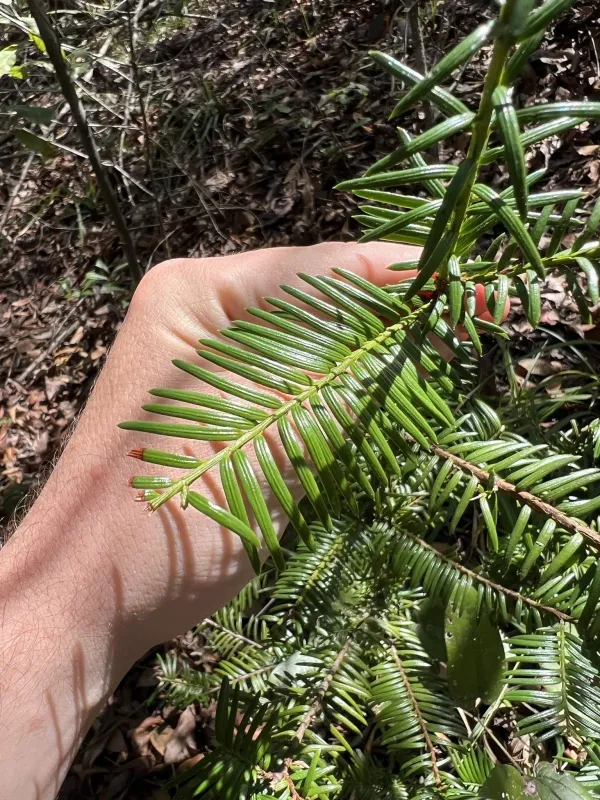
Botanically, this species is characterized by its spreading, often multi-stemmed growth habit. The needles are linear, dark green, and arranged in two distinct rows along the twigs, giving the foliage a flattened and soft appearance compared to other yew species.
As a dioecious plant, Taxus floridana produces male and female reproductive structures on separate individual trees. This reproductive biology necessitates careful management if propagation and genetic diversity preservation are intended in an agricultural or conservatory setting.
The economic and practical use of the Florida yew is currently limited to scientific research and conservation efforts. It is highly valued by botanists for its unique genetic markers and its role in the ecosystem of the Apalachicola River basin.
Main diseases and pests
The primary threats to Taxus floridana include fungal pathogens such as root rot, which are often exacerbated by poor drainage and environmental stress. Maintaining the correct soil moisture levels is critical to prevent the onset of these diseases.
While the yew contains natural chemical defenses, it remains susceptible to specific insects, including scale insects and mites that target the foliage. Regular monitoring is essential, as the slow growth rate of the plant makes recovery from significant pest damage extremely difficult.