
Himalayan Yew
Taxus contorta
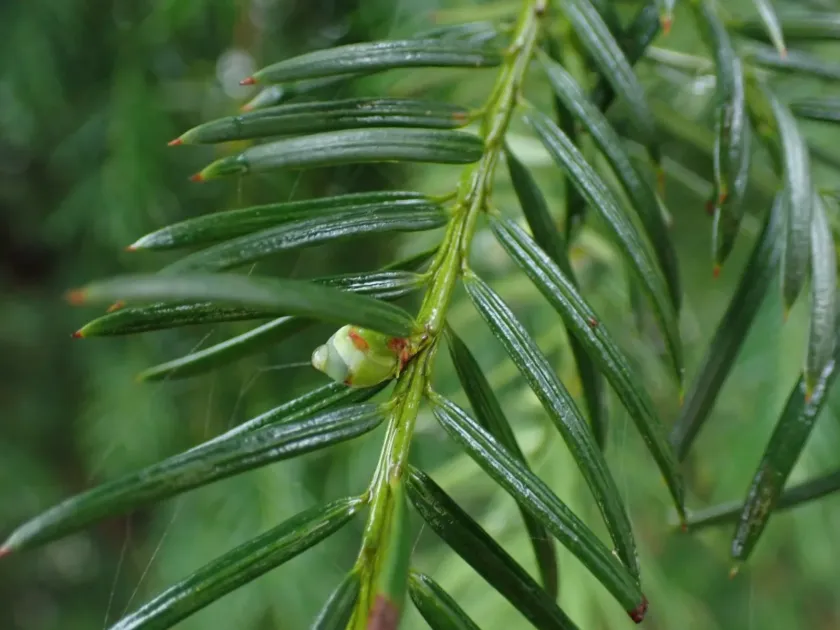
Description
Growing requirements
The Himalayan Yew (Taxus contorta) is a coniferous species within the Taxaceae family. It is native to the high-altitude regions of the Himalayas, extending across parts of Afghanistan, Pakistan, and Northern India.
This species is recognized for its slow-growing nature and its ability to thrive in montane environments. It features a distinctive needle structure that often appears twisted, distinguishing it from related species like Taxus baccata.
The cultivation of Taxus contorta requires well-drained, fertile soil that maintains consistent moisture without becoming waterlogged. The species is sensitive to poorly aerated soils, which can lead to rapid root decline.
Optimal site selection involves semi-shaded areas. While the plant can tolerate some sunlight, protection from extreme afternoon heat is essential to preserve the health and deep green color of its foliage.
From an industrial perspective, this plant is significant due to its chemical composition. It is a source of taxol, a compound utilized in advanced cancer treatments, which has led to increased interest in its sustainable propagation.
Main diseases and pests
Common health issues in Taxus contorta often stem from environmental stress, particularly excessive moisture. Root rot is a major risk factor if the site drainage is insufficient.
Pest issues include aphids and scale insects, which can weaken the plant by feeding on the sap. Regular monitoring is recommended, particularly during the humid spring months when pest populations tend to increase.
Preventive maintenance includes keeping the planting site free of weeds and ensuring adequate spacing between plants to allow for airflow. Improved aeration reduces the risk of fungal outbreaks.
Winter care is vital for younger plants, which may require protection from frost heave and severe wind chill. Mulching around the base of the plant can help maintain soil temperature and moisture levels.
As with other members of the genus, Taxus contorta contains the toxic alkaloid taxine. It is imperative to handle the plant with care and ensure it is kept away from areas where livestock or children might ingest the foliage.