
Chinese yew
Taxus chinensis
Description
Growing requirements
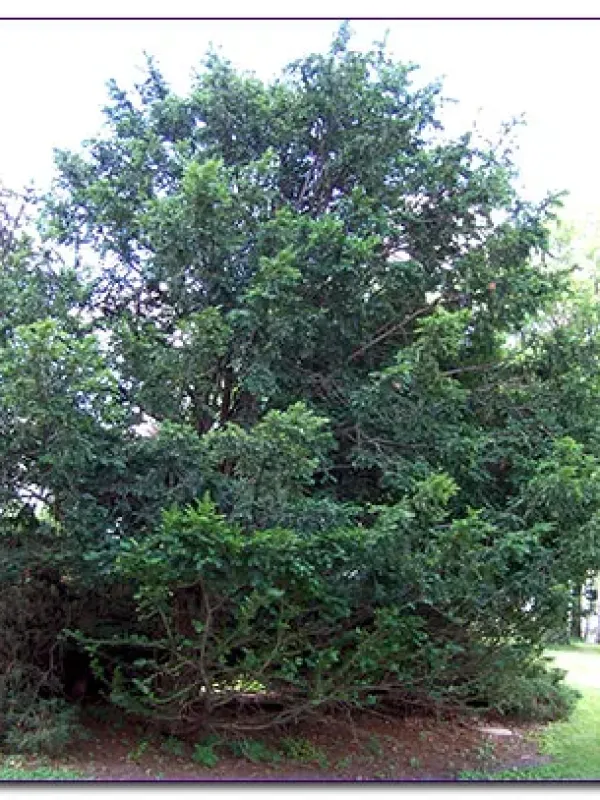
Chinese yew (Taxus chinensis) is a slow-growing evergreen conifer belonging to the Taxaceae family. It is native to the mountain regions of China and is highly valued for its dense, dark green foliage.
The species prefers moist, well-drained, and nutrient-rich soils. It is particularly sensitive to soil compaction and waterlogging, which often leads to root degradation and stunted growth patterns.
In terms of light exposure, the Chinese yew thrives in partial shade or filtered sunlight. While it can adapt to different light intensities as it matures, juvenile plants require protection from harsh direct solar radiation.
The climate requirements include moderate temperatures and relatively high humidity. It is not well-suited to extremely arid environments and requires consistent moisture throughout the growing season.
Agricultural management requires careful attention to root zone conditions. Applying organic mulch around the base of the plant helps maintain soil temperature and moisture levels while suppressing competing weeds.
Main diseases and pests
Fungal pathogens such as Phytophthora are the most common cause of root rot in Chinese yew. These pathogens are typically introduced through poor drainage and over-saturation of the soil environment.
Pests like scale insects and spider mites are frequent threats to foliage health. These pests feed on the sap, causing chlorosis, foliage drop, and general decline in the tree's physiological vitality.
Needle blight is another significant concern, especially in humid and stagnant air conditions. Infected needles often show discolouration and may fall prematurely, impacting the plant's aesthetic and photosynthetic value.
Integrated pest management strategies should be implemented to maintain plant health. This involves balanced fertilization, proper spacing to ensure airflow, and the use of targeted treatments when infestations occur.
Routine inspection of the plant's structural integrity and foliage is essential. Early detection of stress symptoms allows for quick corrective actions, which are crucial for such a slow-growing species.