
Canadian yew
Taxus canadensis
Description
Growing requirements
The Canadian yew (Taxus canadensis) is a low-growing evergreen shrub belonging to the Taxaceae family. Native to North America, it is widely recognized for its cold tolerance and ability to thrive in shaded environments where many other conifers fail.
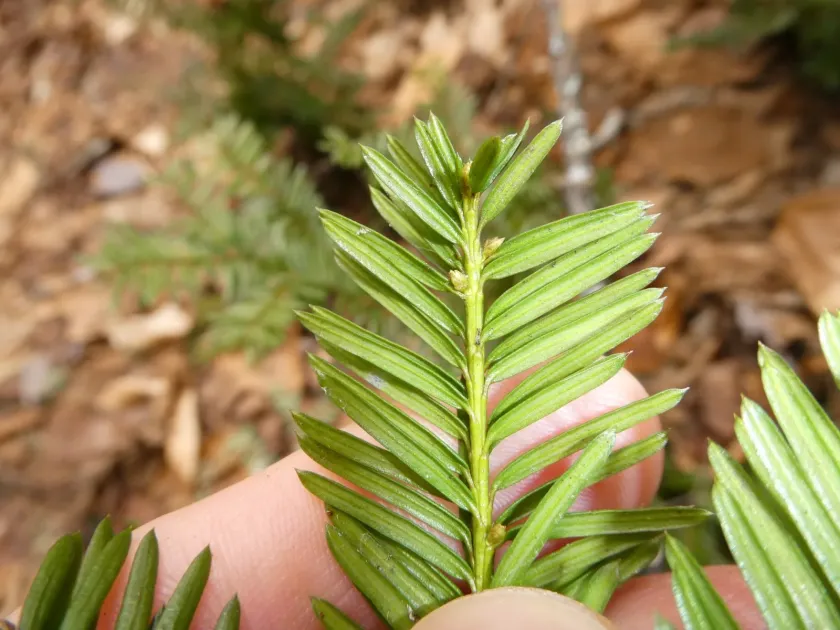
Botanically, this species is characterized by its spreading, prostrate habit and needle-like leaves that are dark green above and lighter underneath. It is well-adapted to the cool, moist understory of native forests, making it an excellent candidate for shaded gardens.
Successful cultivation requires soil that is rich in organic matter and maintains consistent moisture levels. While it prefers slightly acidic to neutral soils, proper drainage is essential to prevent the accumulation of water, which the roots cannot tolerate.
Cultural practices include mulching to stabilize soil temperature and moisture, along with occasional pruning to manage its shape. Because of its slow growth rate, the Canadian yew requires minimal maintenance compared to faster-growing landscape shrubs.
Economically and decoratively, the Canadian yew is highly valued for its winter hardiness and its role in wildlife habitats. It is also significant in pharmacological research, as the plant species is investigated for its potential in producing natural compounds.
Main diseases and pests
The primary threats to this shrub include Phytophthora root rot, which typically stems from poor drainage or excessive soil moisture. Additionally, while relatively hardy, the plant can occasionally suffer from infestations of scale insects during periods of stress.