
Pacific yew
Taxus brevifolia
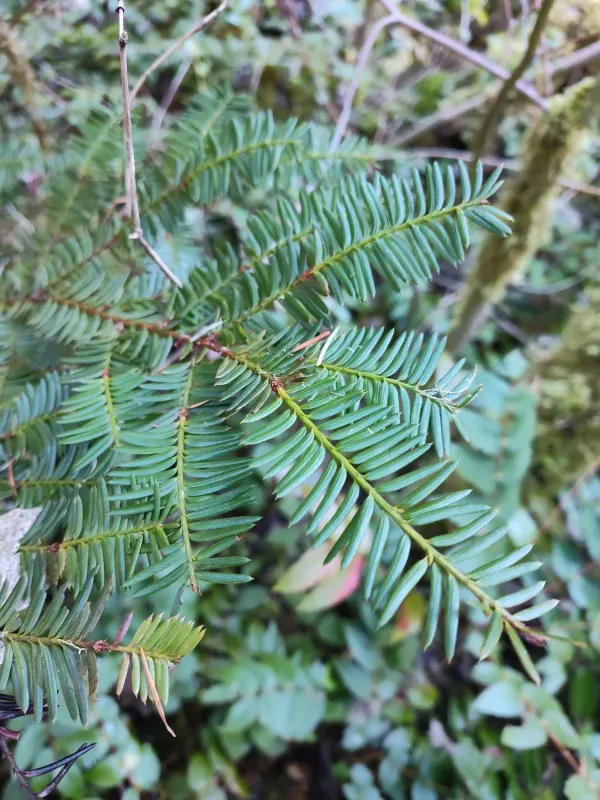
Description
Growing requirements
Pacific yew (Taxus brevifolia) is a slow-growing evergreen conifer belonging to the Taxaceae family. It is native to the Pacific Northwest of North America, where it thrives in moist, shaded environments, often appearing as an understory tree in old-growth forests.
The species requires a cool, humid climate to reach optimal growth. It is highly sensitive to extreme heat and dry air, which can cause significant physiological stress and reduce the plant's metabolic efficiency.
Regarding soil preferences, it favors deep, fertile, and well-drained soils. While it can adapt to various soil types, poor drainage is a critical limiting factor that can trigger root rot and stunt the development of the root system.
Light management is essential for young saplings. Although mature trees are shade-tolerant, direct, intense sunlight during the seedling stage can lead to scorched foliage, thus requiring artificial shading in plantation settings.
Agricultural techniques must focus on maintaining soil moisture without creating waterlogged conditions. Consistent monitoring of local microclimate parameters ensures the healthy development of this high-value botanical species.
Yield
The primary economic importance of Pacific yew lies in its pharmacological value. The tree is a known source of taxanes, particularly paclitaxel, which is a potent compound utilized in chemotherapy for cancer treatment.
Plantation cultivation is strictly regulated to provide a sustainable source of raw materials. This approach involves harvesting needles and bark from managed trees rather than relying on wild populations, thereby ensuring environmental conservation.
The yield of raw biomass is determined by the age of the plantation and the efficiency of the pruning cycle. Selective harvesting of branches allows for a sustainable yield over the lifespan of the tree without compromising its health.
Post-harvest processing involves standardized protocols for extracting active metabolites from the needle and bark tissue. The concentration of these metabolites is influenced by soil quality, tree maturity, and seasonal climatic conditions.
Modern agrotechnological practices aim to increase the chemical concentration of taxanes through precision fertilization. This enhances the overall productivity of the plantation per unit of land dedicated to the culture.
Main diseases and pests
Pacific yew is generally resistant to many pests due to the presence of taxine alkaloids within its tissues. However, environmental factors and poor management practices can weaken the tree's natural defenses.
Fungal pathogens represent the most significant threat, especially when soil drainage is inadequate. Root rot, caused by various soil-borne fungi, can lead to rapid decline and mortality in nursery and plantation setups.
Insect pests such as scale insects can cause localized damage to the needles and shoots. Monitoring for these pests is vital, especially in high-density plantings where infestations can spread rapidly.
Integrated pest management strategies are recommended, focusing on preventative measures such as site selection, proper irrigation, and regular monitoring to maintain the vigor of the plant population.
- Maintenance of adequate airflow to reduce humidity.
- Sanitation pruning to remove infected branches.
- Targeted application of organic or chemical control agents for pest outbreaks.