
Plum yew
Cephalotaxus Siebold & Zucc. ex Endl.
Description
Growing requirements
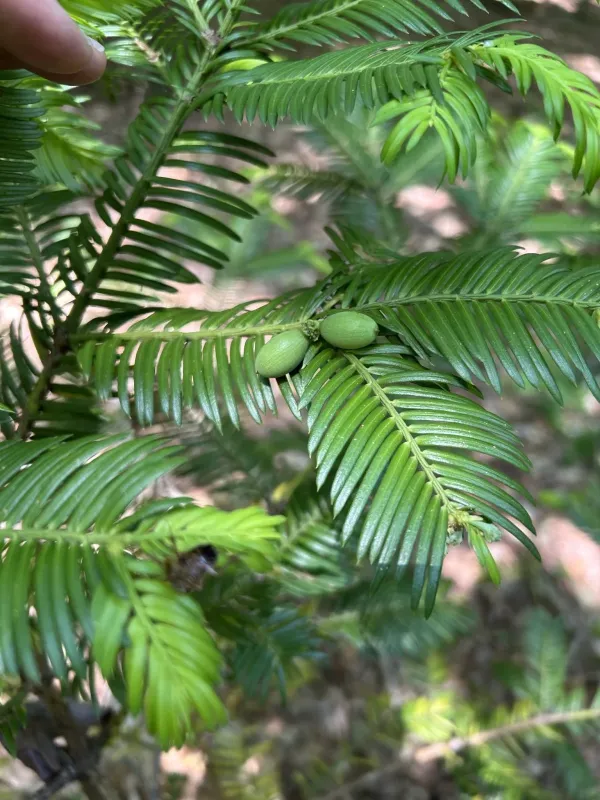
The Plum yew (Cephalotaxus) is a genus of evergreen coniferous shrubs and trees belonging to the Cephalotaxaceae family. These ancient plants are often confused with true yews but are distinct due to their larger, spirally arranged needle-like leaves.
Native to East Asia, including China, Japan, and Korea, these plants naturally thrive in the understory of moist, temperate forests. This ecological background dictates their preference for shaded or semi-shaded environments with protection from scorching sun.
For successful cultivation, Plum yews require fertile, well-drained soil with a slightly acidic to neutral pH. Poor drainage is the most significant limiting factor, as it inevitably leads to root rot and eventual decline of the plant specimen.
The plant is highly shade-tolerant, making it a premium choice for woodland gardens or north-facing landscape areas. However, young specimens benefit greatly from being shielded from desiccating winter winds which can cause significant tissue damage.
Good agricultural practices include applying organic mulch around the base to preserve soil moisture and regulate temperature. Consistent irrigation during the first few growing seasons is essential until the plant establishes a deep, resilient root system.
Main diseases and pests
Plum yews are generally considered robust plants with few major health concerns. However, the most frequent threat is phytophthora root rot, which typically stems from planting in compacted or waterlogged soils.
Spider mites can occasionally infest the foliage, especially during hot and dry summers. Regular inspection of the undersides of needles and overhead misting can help deter these pests from establishing large populations.
Scale insects may also attach to the stems, causing localized yellowing. If infestation occurs, horticultural oils or systemic insecticides applied according to labels are effective control measures for this crop.
Winter burn and spring drought are environmental threats rather than pathological ones. Even though they are hardy, the combination of strong winds and frozen ground can desiccate the needles, necessitating protective winter covers.
Beyond its landscape value, Cephalotaxus has gained agricultural significance as a source of harringtonine and related alkaloids used in chemotherapy to treat various forms of leukemia and other malignancies.