
Styrax tree
Styrax tonkinensis
Description
Sowing dates
Propagation of the Styrax tree is primarily done through seeds. After harvesting, the seeds undergo a stratification process to break dormancy and increase their germination rate, ensuring a higher success rate when sown in nursery beds or containers.
Sowing typically takes place at the onset of the rainy season to provide the natural moisture levels required for successful germination. During the nursery phase, maintaining consistent moisture and proper light levels is crucial for building a strong and healthy root system in the seedlings.
Transplanting to permanent plantation sites is usually performed when the seedlings are between one and two years old. Planting density must be carefully managed to allow for tree growth and to provide easy access for workers during future tapping and maintenance activities.
Early maintenance includes pruning lateral branches to encourage the development of a straight, tall trunk. This structural shaping not only improves the tree's health but also facilitates easier access for resin harvesting once the tree reaches maturity.
Soil management, including regular weeding and the application of nitrogen-rich fertilizers, is vital during the juvenile stage. Clearing competition around the base of the tree ensures that resources are directed towards rapid stem development and overall biomass accumulation.
Growing requirements
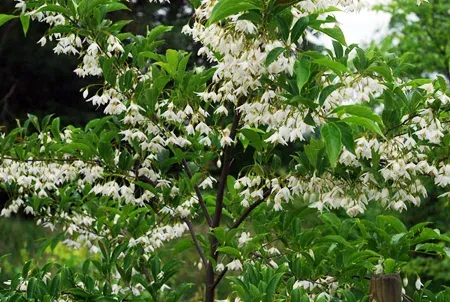
The Styrax tree (Styrax tonkinensis) belongs to the Styracaceae family and is a fast-growing deciduous species reaching heights of 15–20 meters. Native to the tropical regions of Southeast Asia, including Vietnam, Laos, and southern China, it thrives in warm, humid forest environments.
This species demands specific climatic conditions, preferring a tropical climate with a temperature range of 20–25 °C. It is highly sensitive to frost, making it suitable only for regions where temperatures remain consistently above freezing throughout the year.
For optimal growth, the Styrax tree requires well-drained, fertile soils that are slightly acidic or neutral. Excellent soil aeration is critical, as waterlogged conditions cause rapid root decay, which is often fatal to young plantations.
Cultivation practices emphasize the need for adequate sunlight, although seedlings can tolerate partial shade during their early development. Furthermore, protecting the trees from strong winds is essential to prevent mechanical damage to the branches and trunks, which can disrupt resin production.
The economic significance of Styrax tonkinensis lies primarily in its production of benzoin resin, often referred to as Siamese benzoin. This aromatic resin is highly valued in the pharmaceutical, perfume, and cosmetic industries for its antiseptic and fragrance-fixing properties.
Yield
Commercial yields of benzoin resin are achievable 5–7 years after planting, once the tree trunk has reached a sufficient diameter. Productivity is significantly influenced by the precision of the tapping technique and the tree's overall vigor.
The harvesting process involves making precise incisions in the tree's bark, which triggers a defensive response that leads to the secretion of the aromatic resin. This method must be executed with great care to avoid damaging the inner cambium layer and inviting disease.
Sustainable tapping cycles are implemented to prevent over-extraction, ensuring the tree remains productive for 10–15 years. Careful scheduling of tapping sessions allows the tree to recover its energy reserves, maintaining consistent resin quality over time.
The quality of the harvested resin is determined by its purity and the concentration of benzoic acid. Producers conduct primary cleaning immediately after harvest to remove debris, such as bark fragments or soil, to meet international trade standards.
Effective plantation management, including the optimization of harvesting schedules during the dry season, maximizes the yield and quality of the final product. Consistent monitoring of output helps in making informed decisions about plantation rotation and long-term production goals.
Main diseases and pests
Fungal infections of the root system, often caused by poor soil drainage and excess moisture, are among the most significant threats to Styrax plantations. These pathogens can spread rapidly, leading to the decline and death of large sections of the crop.
Insect pests, such as wood-boring beetles, represent another major challenge. These insects attack the trunks and cambium, weakening the tree's internal structure and reducing its capacity to produce resin in response to wounding.
Preventive measures include the use of sterilized tools during tapping to prevent the introduction of pathogens into the incisions. Regular sanitary pruning to remove infested or dead branches is also critical for maintaining the health of the entire plantation.
Environmental stress, including prolonged drought or extreme heat, can diminish the tree's immune response, making it more vulnerable to secondary infections. Implementing mulching and moisture conservation practices helps maintain a stable microclimate for the trees.
Integrated pest management, which combines regular inspections with non-chemical control methods, is the preferred approach for sustainable production. By prioritizing tree health, managers can minimize the need for synthetic treatments and preserve the high quality of the extracted resin.