
Styrax shiraianus
Styrax shiraianus
Description
Growing requirements
Styrax shiraianus is a deciduous tree or large shrub belonging to the Styracaceae family. Native to the mountainous forests of Japan, this plant is valued for its delicate habit and ornamental flowers, thriving best in sheltered, cool environments that mimic its natural habitat.
Optimal growth requires fertile, well-draining soil that is slightly acidic to neutral in pH. The plant performs poorly in compacted or waterlogged soils, which can lead to root rot; therefore, selecting a site with proper drainage or improving the soil structure is essential for long-term health.
This species prefers a climate with consistent moisture and protection from harsh, drying winds. While it can tolerate some sun, it is generally happiest in partial shade, especially in warmer regions, to protect the foliage from scorching during the peak of the summer heat.
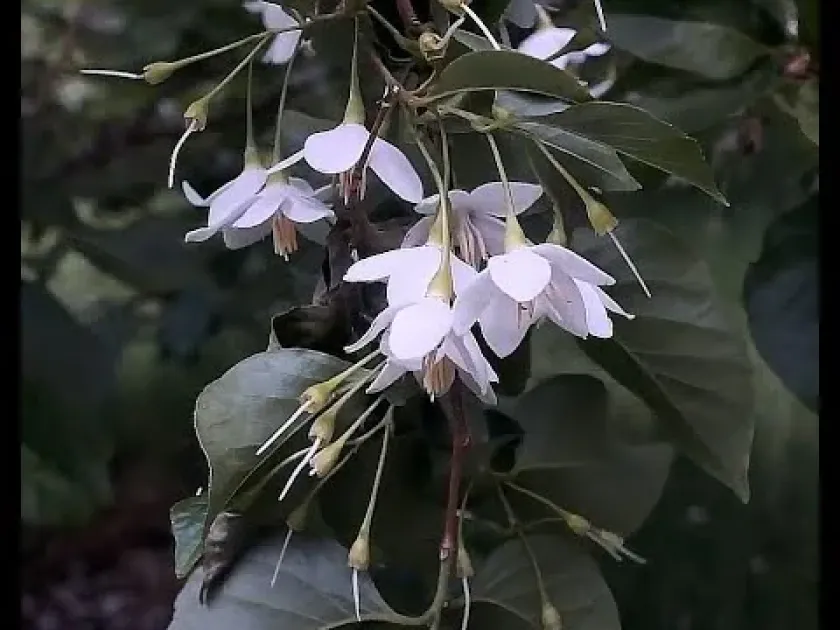
Botanically, Styrax shiraianus is distinguished by its graceful, spreading branching habit and smooth bark. The leaves are typically ovate, and the tree produces an abundance of pendulous, bell-shaped white flowers during late spring, which add a sophisticated touch to any garden setting.
In terms of usage, the plant is primarily cultivated for aesthetic purposes in landscaping. It serves as an excellent specimen tree for small gardens, courtyards, or as part of a woodland planting scheme, where its elegant form and flowering display can be fully appreciated.
Main diseases and pests
Like many ornamental species, Styrax shiraianus can be susceptible to fungal diseases such as powdery mildew or leaf spot if air circulation is insufficient or humidity levels are excessively high. Maintaining a clean garden area and proper pruning are the best preventative measures.
Common pests include aphids and scale insects that may attack the tender new growth. Regular monitoring during the growing season allows for early intervention, ensuring that the plant remains healthy and continues to produce its characteristic display of beautiful spring flowers.