
Styrax serrulatus
Styrax serrulatus
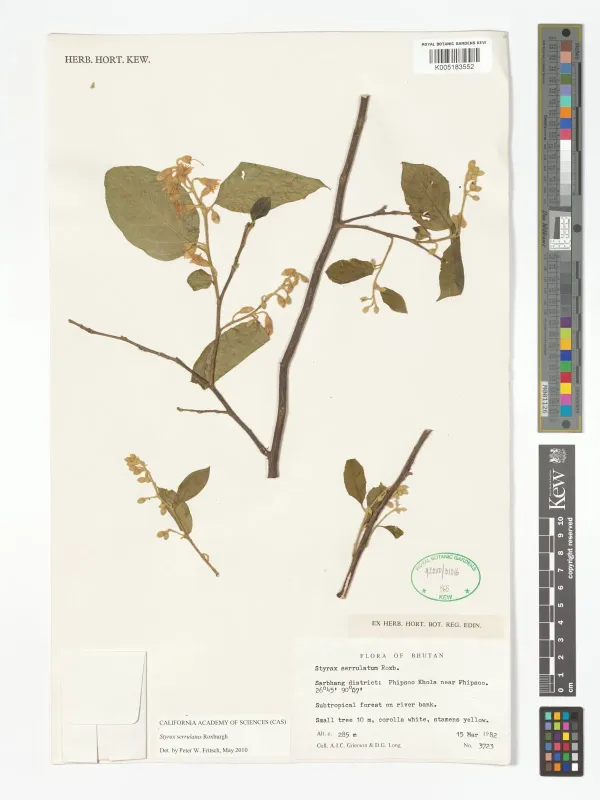
Description
Sowing dates
Propagation of Styrax serrulatus is primarily achieved through seeds, which exhibit seed coat dormancy. A period of cold stratification is essential to break this dormancy and ensure successful germination in the spring.
Seeds should be sown in a well-draining, nutrient-rich potting medium at a depth of approximately 2-3 centimeters. Maintaining consistent moisture levels without waterlogging is crucial during the germination phase.
Vegetative propagation via semi-hardwood cuttings is also a viable method. These cuttings are typically taken in mid-summer and treated with rooting hormones before being placed in a high-humidity environment to encourage root development.
Young seedlings demonstrate slow growth rates during their initial years and require careful protection from environmental extremes. Providing a shaded, sheltered area can prevent excessive transpiration and thermal stress.
When transplanting to a permanent location, care must be taken to minimize root disturbance. The root system of Styrax species is generally delicate and benefits from a mycorrhizal-rich soil environment to improve nutrient uptake.
Growing requirements
Styrax serrulatus is a member of the Styracaceae family, native to the forested regions of Southeast Asia. It thrives in temperate to subtropical climates that provide adequate rainfall and moderate temperatures throughout the year.
The tree requires fertile, well-drained soil with a slightly acidic pH level. It is highly intolerant of waterlogged conditions, making effective drainage a priority when selecting a planting site in the garden or landscape.
While the species can tolerate partial shade, optimal growth and flowering are achieved in positions that receive dappled sunlight. Full exposure to intense sun, especially in hot regions, can cause leaf scorch and dehydration.
Protection from strong winds is highly recommended, as the tree's natural habitat is within sheltered forest tiers. Wind protection helps maintain humidity around the canopy and prevents mechanical damage to the branches.
Regular irrigation is necessary, particularly during the first few years after planting. A layer of organic mulch around the base of the tree helps retain soil moisture, suppress weeds, and moderate root zone temperature.
Main diseases and pests
The primary health concerns for Styrax serrulatus involve fungal infections, often triggered by prolonged humidity and poor air circulation. Thinning out the canopy through pruning can significantly reduce the risk of leaf spots and mildew.
Root rot is a major threat associated with soil compaction and excessive watering. This disease can be difficult to manage once established, making prevention through soil management the most effective control strategy.
Pests such as aphids and scale insects may occasionally infest the foliage and succulent new growth. Routine monitoring and the use of insecticidal soaps are usually sufficient to control minor outbreaks.
Sanitary pruning should be practiced to remove any dead, diseased, or crossing branches. This practice prevents pathogens from entering through damaged tissue and promotes a more vigorous, open architecture.
A balanced fertilization regimen during the active growing season strengthens the plant's overall resilience against environmental stress and reduces its susceptibility to pest and disease pressure.