
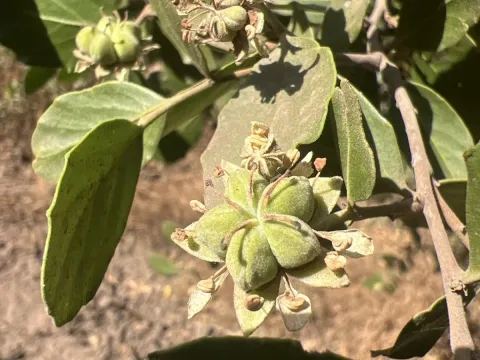
Soap bark tree
Quillaja Molina
The soap bark tree (Quillaja saponaria) is an evergreen tree belonging to the Quillajaceae family. It is widely recognized for its high concentration of saponins, which are utilized in various industrial sectors.
What the section contains

Soap bark tree
The species is native to warm, temperate regions of central Chile. It has evolved to thrive in environments with distinct seasonal differences, featuring a high tolerance for drought conditions once established.
Regarding soil requirements, the tree performs best in well-drained, fertile soils. It is particularly sensitive to waterlogging, which can be detrimental to root health, making slope cultivation a preferred choice.
Agrotechnical practices involve careful management of young trees to ensure structural integrity and steady growth. Since the tree grows relatively slowly, investment requires patience and site preparation.
The primary economic output is the inner bark, which is harvested for saponins. These compounds serve as natural surfactants, foaming agents in the food industry, and essential adjuvants in vaccines.
Soap bark trees are generally resilient, but they remain susceptible to soil-borne pathogens, especially if the planting site does not provide adequate drainage.
Phytophthora infections represent a major threat, leading to root decay and overall decline of the tree health in improperly managed plantations.
Pests such as scale insects and aphids can infest the branches, necessitating regular monitoring and appropriate horticultural interventions to prevent significant damage.
Managing the ecosystem balance is crucial. Providing sufficient spacing between trees promotes better airflow, which inherently reduces the incidence of fungal outbreaks.
Proper harvest management is essential to prevent wounding the tree unnecessarily, as large or improper cuts provide entry points for secondary infections and pests.