
Soapbark tree
Quillaja saponaria Molina
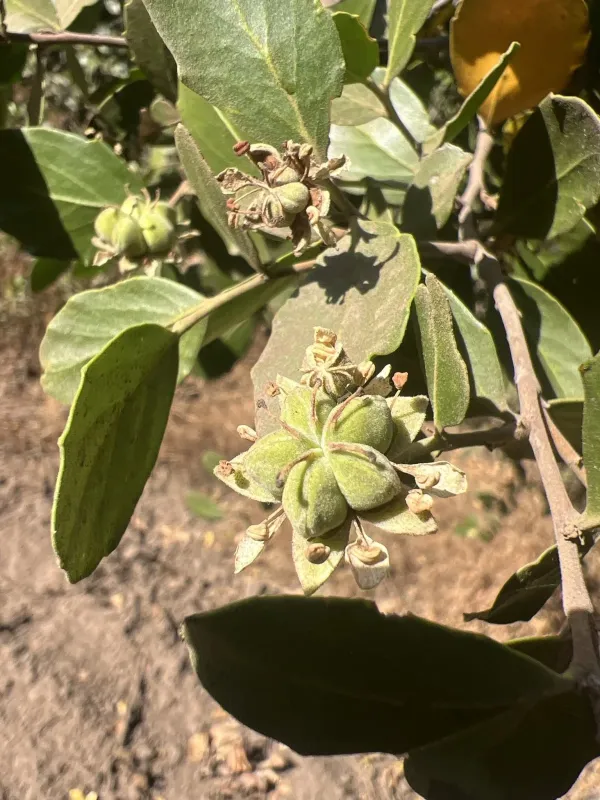
Description
Sowing dates
Propagation of the soapbark tree in industrial conditions is primarily carried out via seeds. Sowing is performed in well-drained substrates within greenhouses under controlled temperature regimes.
Seeds require pre-sowing stratification to enhance germination energy, ensuring more uniform seedling emergence. Early spring is considered the optimal time for starting the propagation process.
Young seedlings grow slowly and require careful maintenance in nursery conditions during their first year. Only after reaching sufficient height and achieving lignification of the stem are they transplanted to their final location.
While cutting propagation is possible, it generally exhibits lower success rates compared to seed-based methods. Grafting is used very sparingly, typically reserved for specific selection and breeding programs.
Transplanting to the field occurs after the risk of frost has passed and the soil has sufficiently warmed. Maintaining proper planting density is essential to provide the tree with space for healthy root system expansion.
Growing requirements
Quillaja is an evergreen tree belonging to the family Quillajaceae. It is native to the central regions of Chile, where it thrives in a Mediterranean-type climate.
The species demonstrates high drought resistance due to its evolutionary adaptation to hot, dry summers. It can withstand occasional light frosts but remains sensitive to prolonged severe winter conditions.
The crop prefers sunny locations with well-draining soils, strictly avoiding waterlogged conditions. Adequate drainage is a critical requirement to prevent the development of root rots.
Optimal soil pH should range from slightly acidic to neutral. Incorporating organic fertilizers during the early growth stages is beneficial for building a robust tree structure.
In its natural habitat, the soapbark tree forms dense forests on mountain slopes where solar radiation levels are high. In cultivated settings, the tree can reach heights of 15 to 20 meters under favorable environmental conditions.
Yield
The primary harvest product of Quillaja is its bark, which contains high concentrations of triterpene saponins. Yield per hectare depends significantly on tree age and stand density.
Bark harvesting is conducted following strict ecological guidelines to ensure the tree's survival and promote tissue regeneration. The process is labor-intensive and requires skilled harvesting techniques.
The bark is a rich source of natural foaming agents and surfactants, which are in high global demand within the food and cosmetic industries.
Quillaja extracts are also utilized in the production of vaccine adjuvants, making the species strategically important for the pharmaceutical sector. The purity of the final extract relies on controlled primary processing conditions.
Beyond the bark, biomass from the tree may be used for extracting specialized chemical compounds. Processing efficiency continues to improve through the application of advanced extraction technologies.
Main diseases and pests
Despite its high environmental adaptability, the soapbark tree can be vulnerable to specific pests native to its natural range, such as sap-sucking insects that damage young foliage.
Soil-borne pathogens represent the primary threat to the root system, often exacerbated by excessive irrigation. Fungal infections can lead to branch dieback and stunted tree development.
Pest and disease management in commercial plantations is based on integrated pest management (IPM) principles. Maintaining optimal water balance and preventing mechanical trunk damage are essential preventive measures.
In new regions of introduction, local pest species may adapt to this tree, requiring regular phytosanitary monitoring. Keeping accurate records of plantation health is a mandatory aspect of crop management.
Preventive pruning, which involves the removal of dead or damaged branches, is recommended to improve crown ventilation and decrease humidity within the canopy, thereby lowering disease pressure.
Harvesting
Trees typically reach the stage suitable for industrial bark harvesting at 10 to 15 years of age. Only at this stage of maturity does the bark accumulate sufficient levels of active saponins.
Harvesting is performed during dry weather conditions to facilitate subsequent drying and prevent fungal spoilage. Proper technique is vital to keep the tree alive and productive for future harvests.
Immediately after removal from the trunk, the bark undergoes primary processing, including the cleaning of lichen and outer cork layers. This step is crucial for ensuring the high quality of the final extract.
Drying occurs naturally under ventilated sheds. Prolonged exposure to direct sunlight is avoided, as it can cause the degradation of essential bioactive compounds.
Once the desired moisture content is achieved, the raw material is packaged for transport. Proper storage conditions ensure the stability of the active saponins over long periods.