
Wilson's spruce
Picea wilsonii
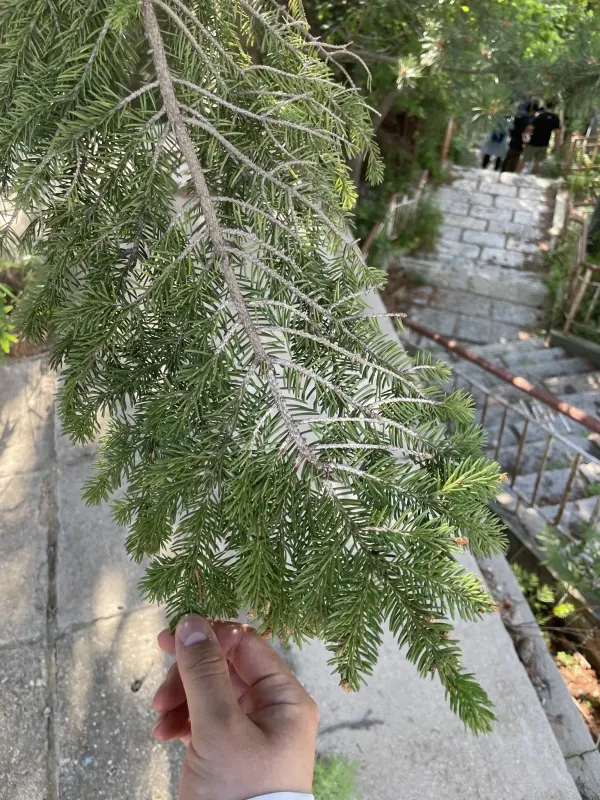
Description
Sowing dates
Wilson's spruce (Picea wilsonii) is a member of the Pinaceae family, known for its elegant conical growth habit and adaptability to mountain climates.
Propagation is primarily achieved through seeds, which should be stratified for several weeks to break dormancy before being sown in early spring.
Seedbeds must be prepared with well-draining, sterile soil to prevent the onset of damping-off disease, which frequently affects young conifer seedlings.
Transplanting to a permanent location is best performed during the dormant season, ensuring the root ball remains intact to encourage rapid establishment.
Young plants require consistent monitoring of moisture levels, as their delicate root systems are highly sensitive to both drought and waterlogging.
Growing requirements
Native to high-altitude regions in Western and Central China, this species thrives in cool, temperate environments with high atmospheric humidity.
The tree prefers deep, fertile, and slightly acidic soils, which must be well-drained to ensure long-term health and vigor.
While the spruce is fully hardy, it should be protected from harsh, drying winds that can cause winter burn, particularly in younger specimens.
Regular maintenance involves soil fertilization with organic matter and the application of mulch to suppress weeds and maintain consistent soil moisture.
Proper spacing is crucial for Wilson's spruce to ensure adequate light penetration and air circulation throughout the foliage, minimizing disease risk.
Main diseases and pests
Fungal pathogens such as needle cast are common threats, especially in plantations where stagnant air increases the risk of infection after wet weather.
Pests including aphids and spider mites can infest the needles, causing discolouration and significant reduction in photosynthetic capacity.
Bark beetles represent a major structural threat, specifically attacking stressed trees and leading to rapid decline if not identified early.
Effective pest management relies on integrating cultural practices with chemical or biological controls when population thresholds are exceeded.
- Removal of infected needles to reduce the overwintering fungal inoculum.
- Application of horticultural oils to control overwintering insect stages.
- Periodic monitoring for signs of stress or secondary infestation.