
Alcock's spruce
Picea alcoquiana
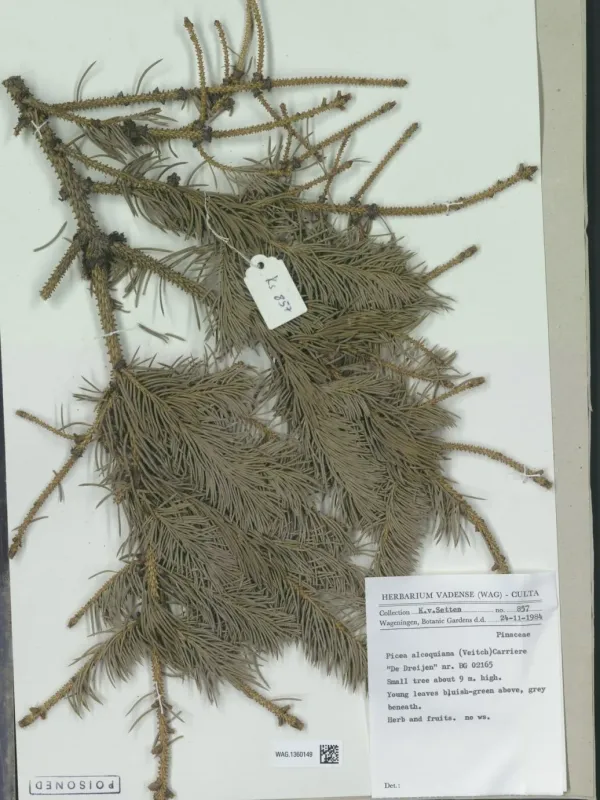
Description
Growing requirements
Alcock's spruce, scientifically known as Picea alcoquiana, is a remarkable member of the Pinaceae family, native to the central parts of Honshu Island in Japan. This species is highly prized by collectors for its elegant form and unique needles, which set it apart from more common spruce varieties.
The plant requires a cool, humid climate and performs best in locations that mimic its native high-altitude habitat. It is essential to ensure that the planting site has good air circulation while being protected from harsh, drying winds that can cause browning of the needles during both summer and winter months.
Regarding soil, Picea alcoquiana thrives in well-drained, slightly acidic, and moisture-retentive soils. It is intolerant of waterlogged conditions, so incorporating gravel or sand into the planting hole is highly recommended in heavy clay soils to prevent root suffocation.
Optimal growth is achieved in full sun to partial shade, although young trees benefit significantly from protection during the hottest part of the day. Consistent moisture levels must be maintained throughout the growing season, especially for newly transplanted specimens that are establishing their root systems.
Maintenance involves mulching with organic material to stabilize soil temperature and conserve moisture. It is important to avoid using high-nitrogen synthetic fertilizers, as they lead to excessive, weak growth that is prone to winter damage and pest infestation.
Main diseases and pests
Fungal diseases, such as needle cast or spruce needle rust, are the most frequent threats, particularly in areas with high precipitation or poor airflow. These issues appear as discolored or falling needles and should be addressed promptly with appropriate fungicidal treatments.
Spider mites are a common nuisance for this species, especially during hot and dry spells. These pests suck the sap from the foliage, leading to a dull, mottled appearance of the needles; regular monitoring and water misting can often keep populations at a manageable level.
Root rot, specifically caused by Phytophthora species, is a critical risk factor if the spruce is planted in soil that lacks proper drainage. Once a tree displays signs of wilting or needle drop, it is often difficult to save, emphasizing the necessity of preventive site preparation.
Bark beetles and other wood-boring insects may target stressed or weakened trees. Keeping the spruce healthy through proper watering, nutrition, and immediate removal of dead or dying branches is the best defense against these destructive invaders.
Sanitation practices such as cleaning tools with alcohol between pruning cuts are vital to prevent the spread of pathogens. Keeping the base of the tree clean and free of decaying debris will also contribute to a healthier growing environment for the spruce.