
Dragon spruce
Picea asperata
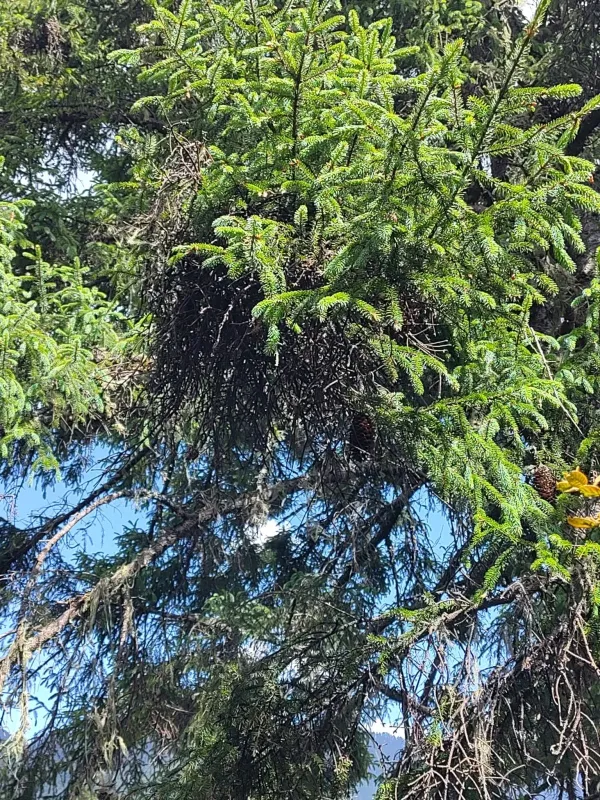
Description
Sowing dates
Sowing of Picea asperata seeds in nurseries is typically performed in spring, once the soil temperature reaches 8–10 degrees Celsius. To achieve uniform germination, seeds require a period of stratification at low temperatures for 30–60 days before sowing.
Seeds are sown in prepared beds at a depth of no more than 1–2 centimeters, ensuring the substrate remains moderately moist. In the first year of life, seedlings grow slowly and require protection from direct sunlight and the drying out of the topsoil layer.
Transplanting to permanent locations, such as forest plantations or decorative landscapes, is recommended at the age of 3–4 years when the root system is sufficiently developed for survival in field conditions. The best time for planting is early spring before active sap flow or late autumn.
A key factor in sowing is the use of high-quality seeds collected from selected mother trees adapted to regional climate conditions. Maintaining proper spacing during sowing helps prevent the spread of fungal infections in the nursery.
Soil preparation involves deep tilling and the application of organic fertilizers, which promotes the development of primary roots. Regular mulching after sowing helps retain moisture and suppresses weed growth.
Growing requirements
The Dragon spruce (Picea asperata) belongs to the Pinaceae family and naturally occurs in the mountainous regions of Western China. This culture prefers moderately moist, well-drained loamy or sandy soils with an acidic or neutral pH.
The tree is highly winter-hardy and capable of withstanding significant temperature fluctuations typical of mountain climates. While it tolerates shading during its early years, it requires sufficient sunlight for full development as it matures.
A critical condition for successful introduction is the level of air humidity. Dragon spruce is sensitive to drought and dry winds; therefore, regular irrigation is essential during hot spells, especially for young saplings in the first years after transplanting.
The species does not tolerate waterlogged soils or stagnant moisture around the root collar, which can lead to root rot. For planting in heavy soils, a drainage layer consisting of gravel or sand is highly recommended.
The culture exhibits high resistance to wind loads due to its powerful root system, making it a promising species for creating windbreaks and stabilizing mountain slopes.
Yield
The economic use of Picea asperata is primarily focused on the forestry industry and decorative landscaping. The wood of this species is valued for its strength, structural uniformity, and durability, making it suitable for construction and woodworking.
Biomass accumulation for this species is moderate, though in favorable conditions, the tree can reach heights of 30–40 meters. Intensive forestry practices allow for the harvest of timber approximately 50–70 years after planting.
In decorative gardening, Picea asperata is prized for its conical crown shape and stiff, prickly needles. It is actively used in landscape design for group plantings, hedges, and as a specimen tree.
In reforestation projects, Dragon spruce serves as a fast-growing conifer capable of effectively restoring the productivity of mountain forests. The species is characterized by high seed productivity at maturity.
Economic efficiency is also linked to the potential for harvesting needles and resin for pharmaceutical and chemical industry needs, although these applications remain secondary to timber production.
Main diseases and pests
The primary threats to Picea asperata are fungal diseases such as needle cast and various types of rust. These diseases affect the needles, causing yellowing and premature shedding, which weakens the tree's overall vitality.
Among pests, the greatest danger is posed by aphids (Adelgidae) and spruce sawflies. Adelgids suck sap from young shoots, creating characteristic galls, while sawfly larvae can completely defoliate branches.
Root rot, caused by pathogenic fungi such as Armillaria, is a serious concern in waterlogged areas. Prevention includes maintaining proper irrigation schedules and avoiding mechanical damage to the bark and root system.
Spruce bark beetles can cause significant damage to weakened stands during prolonged droughts. Timely sanitary thinning and the removal of infected trees are the main methods for pest population control.
- Preventive fungicide applications during spring.
- Regular monitoring of needle health for signs of pest infestation.
- Sanitary pruning of dry and diseased branches.
- Maintaining optimal planting density to ensure canopy ventilation.