
Balfour's Spruce
Picea balfouriana
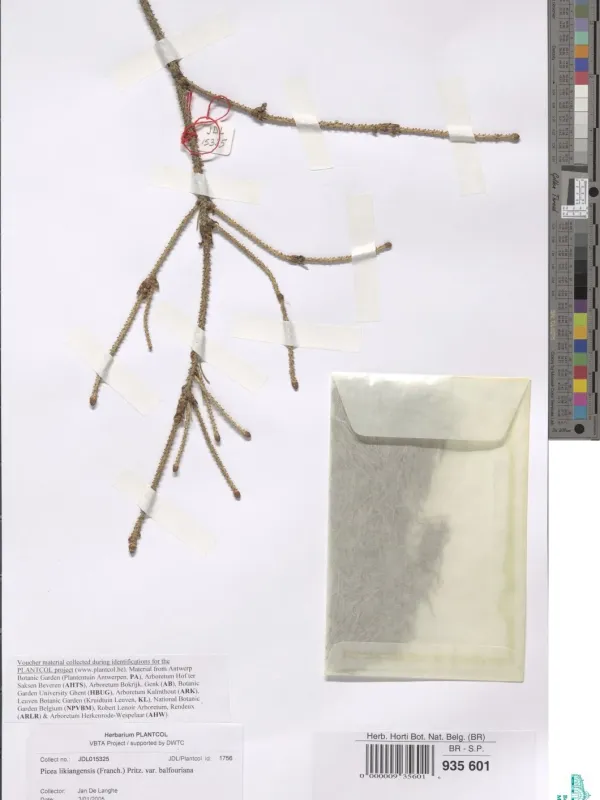
Description
Growing requirements
Balfour's Spruce (Picea balfouriana) is a coniferous tree belonging to the family Pinaceae. It is native to the high-altitude regions of southwestern China, specifically found in Sichuan and parts of Tibet, where it thrives in alpine environments.
This species is highly valued for its ecological role in mountain forests and its aesthetic appeal in botanical collections. It grows best in regions with cool, moist climates and is highly resistant to low temperatures, making it a robust species for highland planting.
Regarding soil requirements, Picea balfouriana needs well-draining, slightly acidic substrates. It is essential to avoid heavy, waterlogged soils as the root system is sensitive to low oxygen levels and prone to decay in such environments.
The tree typically reaches significant heights in its native habitat, maintaining a dense, conical crown throughout its life. As an ornamental plant, it requires ample space to showcase its natural architectural form and bluish-green foliage.
Light requirements are relatively high; while the species can tolerate partial shade when young, mature trees need full access to sunlight to maintain branch density and prevent inner needle drop. Regular monitoring of the microclimate is recommended for successful cultivation.
Main diseases and pests
The primary threats to Balfour's Spruce include various root rot pathogens, particularly in poorly drained soil conditions. Fungal diseases affecting the needles, such as spruce needle cast, can also become problematic in high-humidity areas.
Insect pests such as bark beetles represent a significant threat to the health of the tree, especially if it is under stress from drought or physical damage. Aphids and scale insects can also infest young saplings, leading to stunted growth.
Effective management strategies should focus on preventive care, including proper spacing and maintaining optimal air circulation around the crown. Pruning diseased branches promptly helps contain the spread of fungal spores.
Monitoring for signs of infestation involves regular inspection of the trunk and underside of the branches. Applying targeted treatments early in the season can significantly reduce the impact of pest populations on the overall health of the tree.
Environmental stress, such as extreme temperature fluctuations, can further weaken the plant, making it more susceptible to opportunistic pathogens. A holistic approach to arboriculture is essential for the long-term vitality of these trees.