
Maximowicz's spruce
Picea maximowiczii
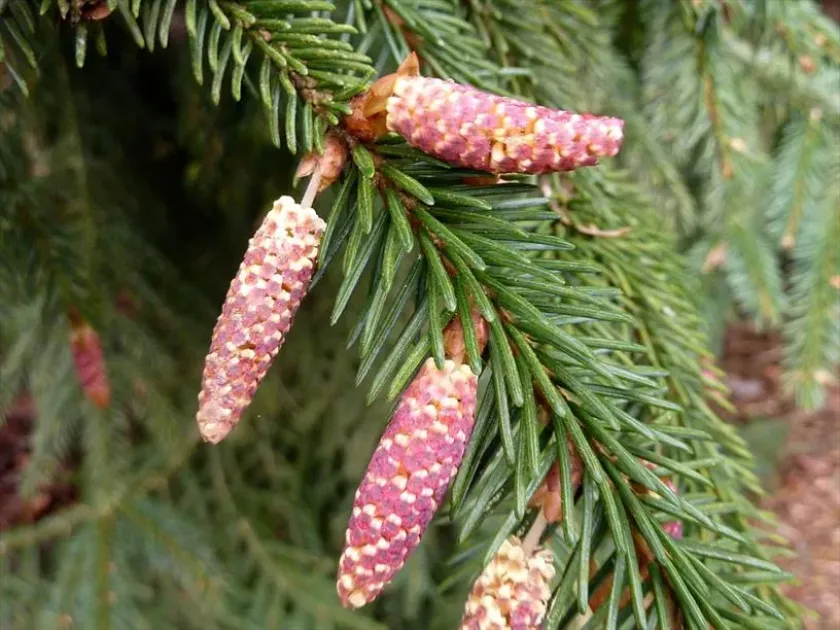
Description
Growing requirements
Maximowicz's spruce (Picea maximowiczii) is a distinctive member of the Pinaceae family. It is native to the high-mountain regions of Honshu, Japan, where it has adapted to specific climatic conditions over centuries of evolution.
The tree is characterized by a slow growth rate and a dense, conical crown. Its needles are relatively short and stiff, dark green in color, creating a refined texture that is highly sought after by landscape professionals.
When cultivating this species, site selection is critical. It requires well-drained, nutrient-rich soils with a slightly acidic to neutral pH level. Poor drainage often results in root rot, which is the primary cause of plant failure in non-native environments.
Climate requirements involve cool, moist environments. While it demonstrates significant cold hardiness, it benefits from protection against scorching heat and dry winds during the early stages of its development.
Economically, this tree is primarily utilized in ornamental horticulture and botanical conservation efforts, prized for its rarity and distinct visual appeal in specialized evergreen garden designs.
Main diseases and pests
The health of Picea maximowiczii can be compromised by various fungal pathogens, specifically needle cast diseases, which thrive in stagnant, high-humidity microclimates.
Common insect pests include aphids and spruce spider mites. These pests typically congregate on new shoots, causing chlorosis, needle drop, and eventual structural weakening of the tree canopy.
Effective pest management relies on a combination of cultural practices, such as ensuring proper spacing for air circulation, and chemical interventions when specific pest thresholds are met.
It is recommended to monitor the undersides of needles for signs of mite webbing or aphid activity, especially during the early spring and summer growth flushes.
Routine sanitation, including the prompt removal of infected debris and the use of targeted fungicides, remains the most effective strategy for maintaining the health of this slow-growing conifer.