
Martinez spruce
Picea martinezii
Description
Growing requirements
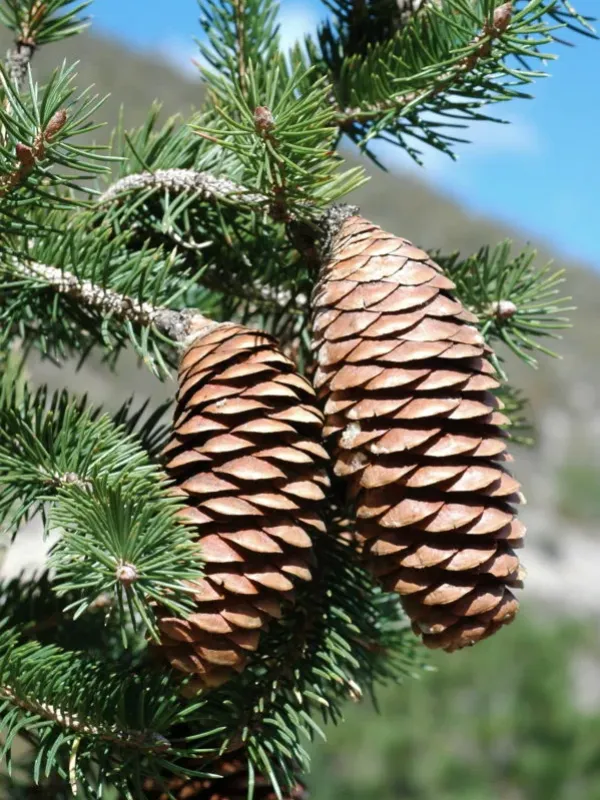
Martinez spruce (Picea martinezii) is a fascinating conifer species belonging to the Pinaceae family. Originally discovered in the high-altitude regions of Mexico, this tree is highly valued by botanists and collectors for its distinct needle structure and graceful growth habit.
The tree thrives in cool, humid environments reminiscent of its native mountain habitat. It requires significant atmospheric moisture and is best suited for regions that do not experience harsh, drying winds or extreme heat, which can stress the tree and lead to needles drop.
Regarding soil requirements, it prefers deep, loamy soils with excellent drainage. While it needs consistent moisture, it does not tolerate waterlogging. Ensuring a neutral to slightly acidic pH balance in the substrate is essential for the effective uptake of micronutrients by the root system.
Maintenance involves periodic pruning of dead or diseased branches to keep the crown healthy. Because the species grows slowly, intensive fertilizer application is usually not required; a moderate annual application of organic compost is generally sufficient to sustain steady development.
In terms of usage, the Martinez spruce is primarily an ornamental specimen for large gardens and arboretums. Its rarity makes it a prized addition for conservation-focused projects aimed at preserving genetic diversity within the Picea genus.
Main diseases and pests
Like other spruce species, it is susceptible to needle cast diseases if planted in areas with stagnant air or high humidity levels. Prevention includes ensuring adequate spacing between individual trees to promote air circulation and reduce fungal spread.
Pests such as aphids and spruce mites are occasional threats, especially during dry seasons. Integrated pest management strategies, focusing on biological controls and manual inspections, are recommended to maintain tree health without relying heavily on chemical pesticides.