
Mariorika spruce
Picea mariorika
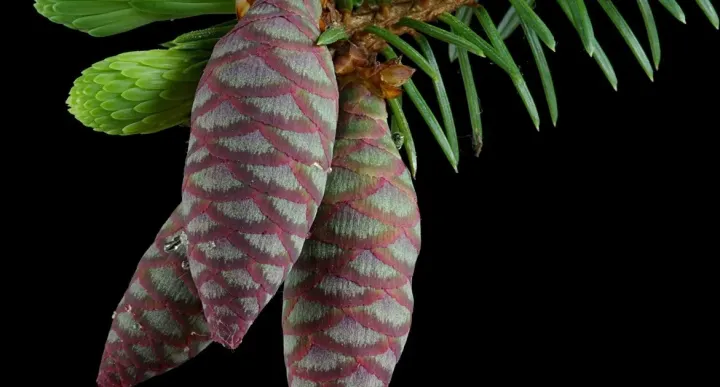
Description
Growing requirements
The Mariorika spruce (Picea mariorika) is a distinguished hybrid between the black spruce (Picea mariana) and the Serbian spruce (Picea omorika). Belonging to the Pinaceae family, this evergreen conifer is a versatile culture used in decorative landscaping and botanical conservation.
Its botanical origin is linked to controlled cross-pollination between the parent species, resulting in a tree that combines the cold-hardiness of the black spruce with the graceful, slender aesthetic profile of the Serbian spruce.
This spruce thrives best in well-drained, slightly acidic to neutral loam soils. It requires consistent soil moisture but is susceptible to root rot if the soil remains waterlogged for extended periods, necessitating good drainage systems in cultivation areas.
Regarding climate, the tree prefers regions with cool, temperate conditions. It exhibits strong winter hardiness, allowing it to withstand harsh frost; however, it requires protection from severe drying winds that can cause needle desiccation during early spring.
Standard agrotechnical practices include annual applications of slow-release conifer fertilizers, maintaining a layer of organic mulch around the root zone, and ensuring the tree is not crowded by other fast-growing species to allow for proper airflow.
Main diseases and pests
Key pathological threats to the Mariorika spruce include needle cast diseases (Rhizosphaera or Lophodermium) and various rust fungi, which are often encouraged by poor air circulation and high humidity.
Pest damage is primarily caused by aphids, spider mites, and sawfly larvae. These pests feed on the needles or bark, leading to chlorosis, stunted growth, or, in severe cases, branch dieback.
Management strategies involve keeping the site clear of diseased leaf litter and pruning infected branches immediately upon detection. Proper spacing during initial planting is the most effective preventative measure against fungal spread.
Chemical control must be applied strategically; the use of systemic fungicides or horticultural oils should be timed to match the life cycle of the identified pests or the seasonal activity of fungal spores.
Maintaining the overall vigor of the tree through correct watering and nutrient management is the best defense, as healthy trees possess a natural resilience against common nursery and landscape pathogens.