
Likiang spruce
Picea likiangensis
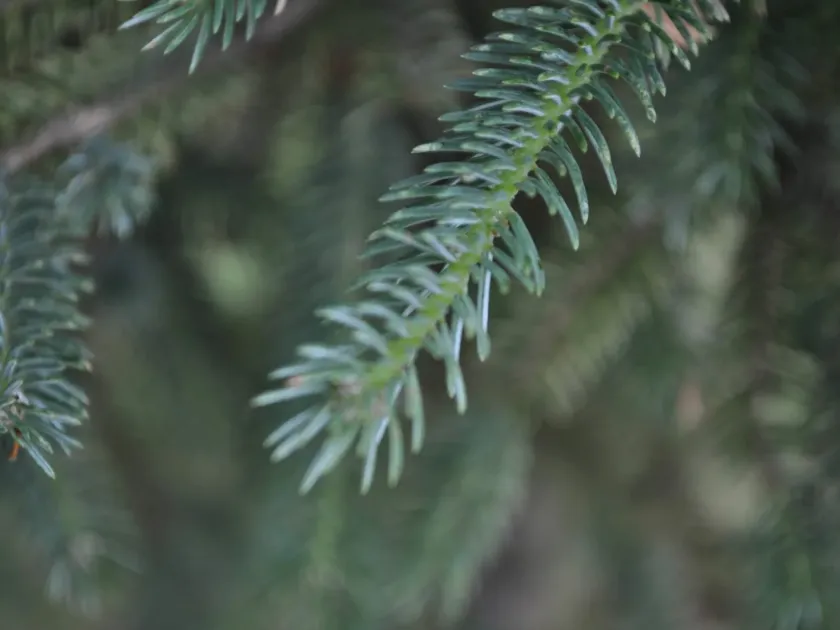
Description
Sowing dates
Seeds of Picea likiangensis are typically sown in early spring after a necessary stratification period of 6 to 8 weeks in cold conditions. This process helps to break dormancy and ensures a higher germination rate for the seeds.
The optimal sowing substrate is a light, well-draining mixture of peat and sand, kept consistently moist but not waterlogged. Seeds should be covered lightly with fine soil, as they require protection from direct sunlight while remaining in an environment with high humidity.
After germination, seedlings must be protected from extreme heat and direct sun exposure. Growing them in nurseries under partial shade for the first two years of development is a common practice to ensure steady growth.
Transplanting to nursery rows should occur once the seedlings reach a height of approximately 10–15 centimeters. Careful handling is required to avoid damaging the fine root system, which is characteristic of young spruce plants.
Once the trees are mature enough, usually by age four, they are ready for planting in their final permanent location. Proper spacing is essential to allow for airflow, which reduces the risk of fungal infections later in the tree's life.
Growing requirements
The Likiang spruce is a native species to the alpine regions of Western China, typically found at high altitudes. It thrives in cool, moist climates and is well-adapted to high-altitude environments with significant temperature fluctuations.
The species prefers sites with fertile, acidic to neutral soil that provides excellent drainage. Because it is native to mountainous areas, it is particularly sensitive to soil compaction and waterlogging, which can cause root asphyxiation.
It requires a site with good air circulation and protection from hot, dry summer winds. While it is hardy in cold temperatures, it does not perform well in regions with high ambient heat during the growing season.
In terms of light, this spruce is moderately shade-tolerant during its juvenile stage but prefers full sun as it reaches maturity to maintain its dense foliage and classic coniferous shape.
Maintenance involves providing adequate mulch around the base to keep the root zone cool and moist. Regular, light fertilization with specialized evergreen plant food can support healthy growth in less-than-ideal soil conditions.
Main diseases and pests
Fungal diseases like needle cast and various types of rust are common issues, especially in environments with stagnant, humid air. These infections often lead to needle discoloration and premature needle drop, significantly affecting the tree's aesthetics.
Root rot caused by Phytophthora species is a serious concern in poorly drained soils. Once established, this pathogen is difficult to eradicate, emphasizing the importance of site selection and drainage management from the very beginning.
Pests such as spruce aphids and spider mites can infest the foliage, causing chlorosis and deformation of the needles. Regular monitoring for these pests during the warmer months is crucial for early intervention.
Bark beetles represent a major threat to stressed or unhealthy trees. By keeping the spruce well-hydrated and properly maintained, it is possible to improve the tree's natural resistance to these wood-boring insects.
Integrated pest management strategies, including the use of systemic insecticides and targeted fungicide applications, are recommended for maintaining the long-term health of large specimens or plantation stocks.