
Korean spruce
Picea koraiensis
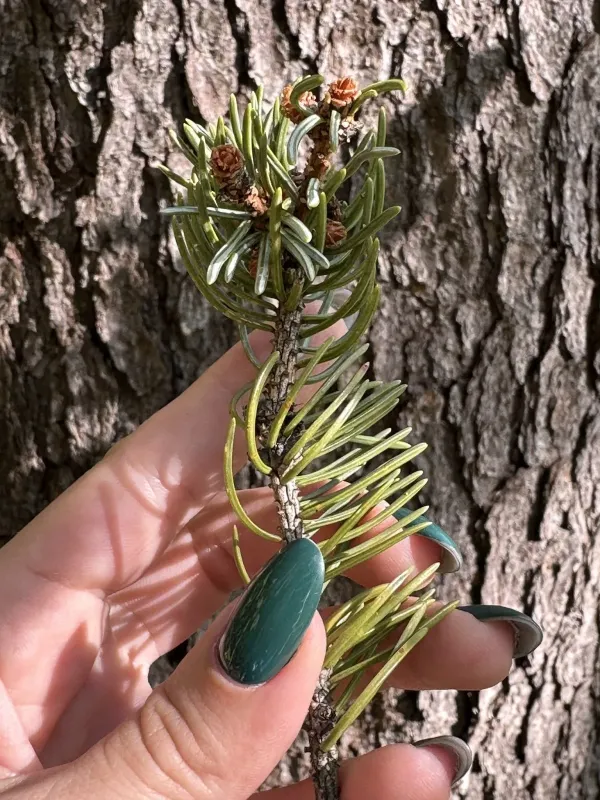
Description
Sowing dates
Seeds of the Korean spruce are harvested in the autumn when the cones turn brown but remain intact. Drying the cones in a well-ventilated area allows for easier seed extraction.
Stratification is a critical step for germination success. Seeds should be kept in cold conditions (between 3°C and 5°C) for approximately 60 days before sowing to break dormancy.
Sowing in containers or nursery beds is performed in the spring once the soil temperature is sufficient. A planting depth of 1 to 1.5 cm is ideal for optimal seedling emergence.
Seedlings require protection from harsh direct sun and high-intensity winds during their first two seasons, as they develop their root systems slowly at this stage.
Transplanting to a permanent location should ideally take place in the early spring, ensuring the root ball remains intact to minimize transplant shock and encourage growth.
Growing requirements
Picea koraiensis is a member of the Pinaceae family, native to the Korean Peninsula and parts of Northeast Asia, known for its adaptability to cool temperate environments.
The tree thrives in moist, well-drained, fertile soils. It does not tolerate waterlogged conditions, which significantly increase the risk of root rot and overall plant decline.
It is a hardy species that tolerates cold climates well. It prefers regions with distinct seasons and performs best when provided with consistent atmospheric humidity throughout the year.
While tolerant of shade when young, the Korean spruce prefers a sunny position as it matures, which helps maintain a uniform and dense conical crown shape.
Regular maintenance includes mulching around the base to retain soil moisture and providing balanced fertilizers specifically formulated for conifers during the spring growth phase.
Main diseases and pests
Spruce spider mites are a primary pest, particularly in dry and hot conditions, as they feed on the sap and can lead to the browning and thinning of the needles.
Fungal pathogens such as needle cast can affect the tree, especially in dense plantings with poor air circulation, leading to premature foliage loss.
The spruce budworm and various types of aphids may also cause damage to young shoots, necessitating integrated pest management strategies to keep populations under control.
Effective management involves monitoring foliage for signs of discolouration and ensuring adequate spacing between trees to prevent the spread of soil-borne pathogens.
If chemical interventions become necessary, products should be applied during the early infestation stages to prevent widespread damage to the tree's health.