
Walsura trifoliolata
Walsura trifoliolata
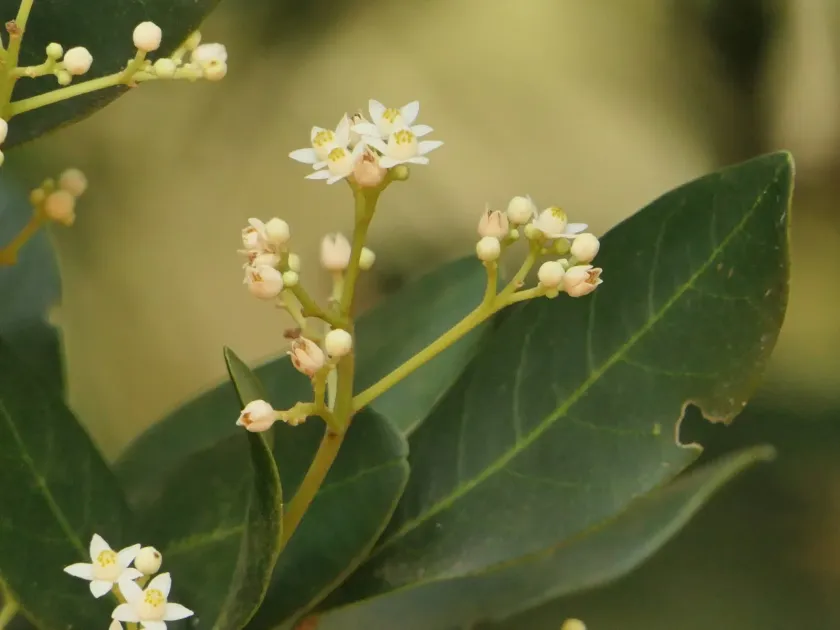
Description
Growing requirements
Walsura trifoliolata is a notable evergreen tree species belonging to the Meliaceae family. It is widely recognized for its robust growth habit and is characterized by its trifoliate leaves, which contribute to the dense canopy of the mature tree.
Native to the tropical forests of South and Southeast Asia, this species thrives in humid environments. Its natural habitat includes evergreen and semi-evergreen forests, where the plant has adapted to high levels of biodiversity and competitive soil conditions.
In agricultural settings, the species requires fertile, well-draining soil to achieve optimal development. It is particularly sensitive to waterlogging, necessitating the selection of well-drained sites or the installation of proper drainage systems for successful cultivation.
Climate-wise, Walsura trifoliolata demands temperatures between 22 and 30 degrees Celsius. It does not tolerate prolonged frost or severe drought, which makes it an ideal candidate for cultivation in tropical and subtropical regions with reliable rainfall patterns.
Economically, the tree is highly valued for its durable and high-quality timber, used in fine carpentry and construction. Furthermore, parts of the plant, including bark and leaf extracts, are utilized in local traditional medicinal practices for their bioactive properties.
Main diseases and pests
The cultivation of Walsura trifoliolata faces challenges from various tropical pests, primarily leaf-eating insects and wood-boring beetles. These organisms can cause significant damage to young plantations if left unmanaged, slowing down tree maturation.
Fungal infections, such as leaf spot diseases, are common in environments with poor air circulation and excessive humidity. These pathogens thrive on stagnant moisture and can cause premature leaf drop, weakening the tree's health.
Root rot represents a serious threat caused by improper watering practices or heavy, clay-rich soil structures. Ensuring good soil aeration is essential for protecting the tree's root system from anaerobic conditions.
Effective management includes regular monitoring and sanitizing of the tree canopy. Removing infected branches early helps prevent the transmission of disease throughout the grove, ensuring that the health of the entire crop is maintained.
Integrated pest management strategies are often employed to manage risks, including the use of beneficial insects and specific environmental modifications to reduce the reliance on chemical pesticides in tropical forestry operations.