
Trichilia volkensii
Trichilia volkensii
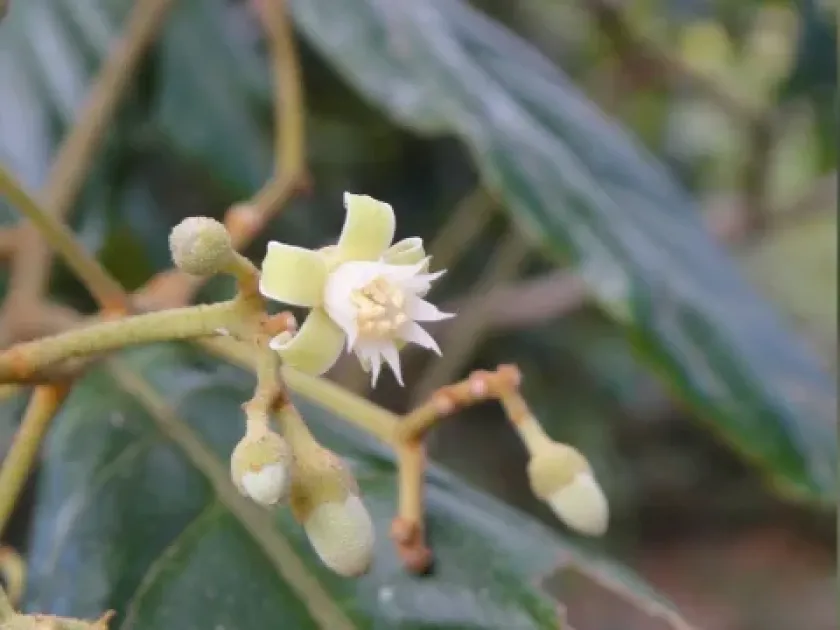
Description
Growing requirements
Trichilia volkensii is a robust evergreen tree species belonging to the Meliaceae family. It is native to the highland forests of East Africa, where it has adapted to specific altitudinal ranges and climatic conditions.
The species thrives in deep, well-draining soils rich in organic matter. Proper site selection is crucial to ensure that the soil structure supports deep root penetration, which is vital for the tree's long-term stability.
Climatic requirements are centered around stable, temperate tropical conditions. The species is sensitive to frost and extreme temperature fluctuations, requiring sheltered locations in higher elevation environments.
Adequate sunlight is essential for optimal development, although young seedlings may benefit from light shade to prevent desiccation during the initial establishment phase in a plantation.
Management practices should focus on maintaining soil health and preventing competition from invasive weed species, which can hinder the growth rate of young trees in the early years.
Yield
The primary economic output of Trichilia volkensii is its high-quality timber, which is appreciated for its durability and structural integrity, making it useful for local woodworking and construction.
Beyond timber production, the tree's seeds serve as an important source of natural oils. These oils have traditional uses in local industries and are gaining interest for their potential in bio-based cosmetic products.
Within agroforestry systems, Trichilia volkensii plays a key role in nutrient cycling. The dense leaf litter produced by the tree significantly improves soil fertility by adding essential humus to the topsoil layer.
Yield capacity for seeds and biomass is correlated with tree maturity and site management. Long-term investment in these plantations allows for periodic harvesting while maintaining forest cover.
Integration of this species into farming systems enhances biodiversity and provides a diversified income stream for landowners through both wood products and non-timber forest resources.
Main diseases and pests
Fungal diseases represent a significant threat to Trichilia volkensii, particularly in environments with poor air circulation or excessive soil moisture which facilitates the spread of pathogens.
Pest damage, especially from insects that target foliage, can weaken young saplings and stunt their overall growth, necessitating proactive monitoring and integrated pest management strategies.
Root rot caused by stagnant water is a critical risk factor. Once the root system is compromised by anaerobic conditions, the health and structural integrity of the entire tree are put at risk.
Environmental changes and unsustainable harvesting practices can negatively impact the natural population of the species, reducing the availability of genetic diversity for new plantations.
Maintaining proper spacing between individuals is the most effective preventative measure against disease outbreaks, ensuring sufficient airflow and light penetration throughout the plantation canopy.