
Trichilia rubescens
Trichilia rubescens
Description
Growing requirements
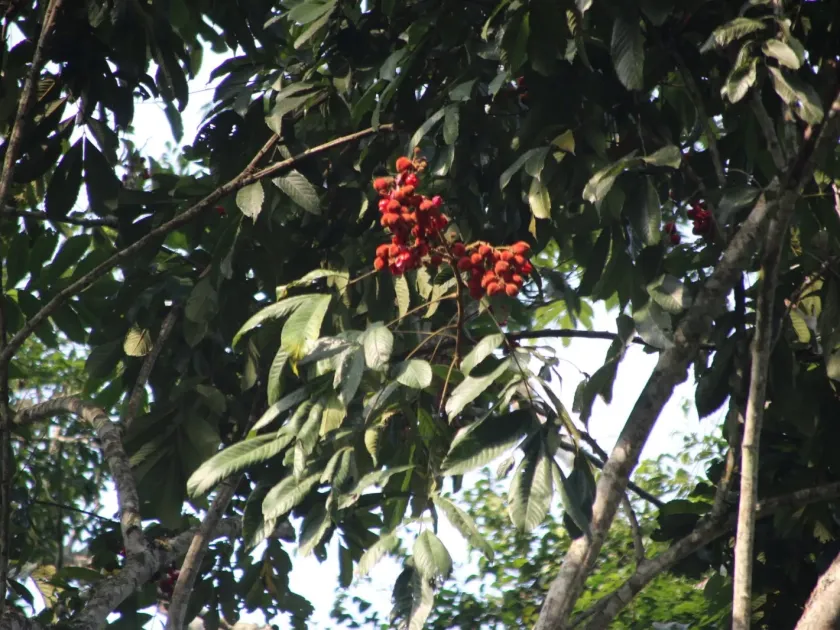
Trichilia rubescens is a robust evergreen tree belonging to the Meliaceae family. Native to the tropical rainforests of Central and West Africa, it is widely recognized for its high-quality timber and ornamental potential. The tree is characterized by its reddish wood tone and dense, lush foliage that provides essential canopy cover in its natural habitat.
The culture thrives in deep, fertile soils that offer excellent drainage while retaining sufficient moisture. It prefers regions with consistent, high annual rainfall and a stable, warm tropical climate. Protecting the trees from high-velocity winds during their early development stage is crucial to maintaining their structural integrity.
Growth requirements necessitate constant, year-round warmth, as the species is highly sensitive to cold stress. Any significant deviation from optimal tropical temperatures can hinder metabolic processes and reduce the overall yield of high-quality wood. Sufficient solar exposure is required for the canopy to develop fully and support reproductive success.
The economic value of this tree is primarily rooted in its hard, durable wood, which is utilized for furniture construction and high-end cabinetry. Additionally, the bark and roots of Trichilia rubescens are traditionally utilized in regional ethnomedicine due to their bioactive compounds. This dual-use potential makes it an important species for agroforestry initiatives.
Cultivation practices involve regular monitoring of growth rates and soil fertility levels to ensure optimal health. Implementing sustainable harvesting techniques is essential for maintaining the population of this tree in managed agro-forestry systems. Practitioners often combine this species with other local crops to enhance ecosystem resilience.
Main diseases and pests
Biological threats include various fungal pathogens that can affect the bark and roots, especially in areas with poor soil aeration. These fungi can lead to decay, which compromises the tree's health and reduces the utility of the wood. Ensuring proper spacing and airflow in plantations is a key preventative measure.
Pest management focuses on wood-boring insects, which represent the most significant threat to the commercial value of the timber. Leaf-eating insects may also cause periodic defoliation, particularly in young saplings. Integrated pest management strategies are often employed to maintain the viability of Trichilia rubescens plantations.