
Trichilia retusa
Trichilia retusa
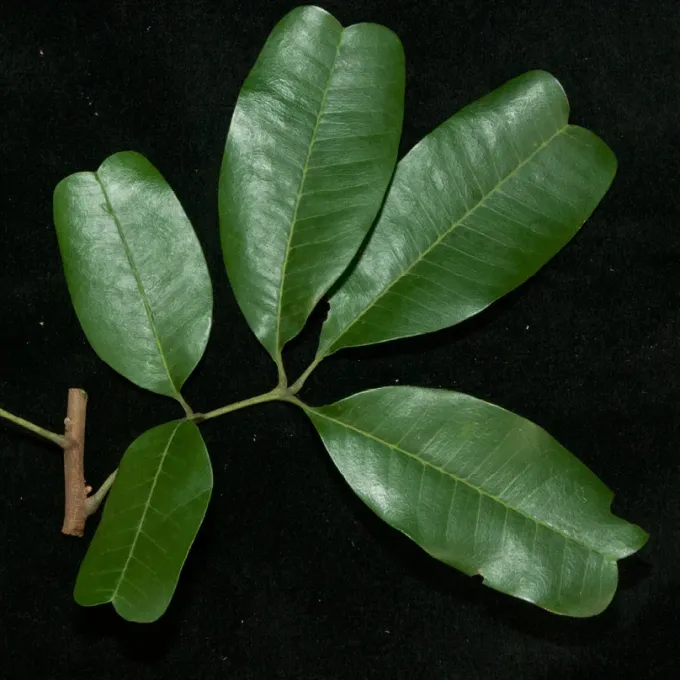
Description
Growing requirements
Trichilia retusa is a prominent member of the Meliaceae family, native to tropical environments in South America. This species is recognized for its adaptability to specific forest understory conditions as well as open canopy environments.
The tree thrives in well-drained, nutrient-rich soils. Successful cultivation requires a careful balance of soil moisture, as the plant is susceptible to root rot if placed in heavy, waterlogged clay soils. Providing high levels of organic matter in the planting hole is highly recommended.
In terms of climate, it demands a tropical to subtropical range with consistent warmth. It does not tolerate frost, and even minor temperature drops can lead to significant physiological stress. A site with good air circulation and full access to sunlight is ideal for tree maturation.
Agrotechnical management involves regular soil monitoring and mulching to mimic the natural forest floor conditions. This helps retain moisture during dry periods and suppresses competing weed species that could hinder the growth of young saplings.
The economic value of this tree is primarily derived from its high-quality, dense timber, which is appreciated for both structural and decorative applications. Additionally, its aesthetic form makes it a candidate for reforestation projects and ornamental greening in appropriate climates.
Main diseases and pests
Common threats include leaf-chewing insects and various borers that target younger wood. Implementing integrated pest management strategies, including the use of pheromone traps, helps to reduce chemical dependency during the growth cycle.
Fungal pathogens associated with high humidity are the primary disease concern. Maintaining adequate spacing between trees is crucial for ensuring proper airflow, which significantly reduces the incidence of powdery mildew and leaf spot diseases.