
Trichilia moschata
Trichilia moschata
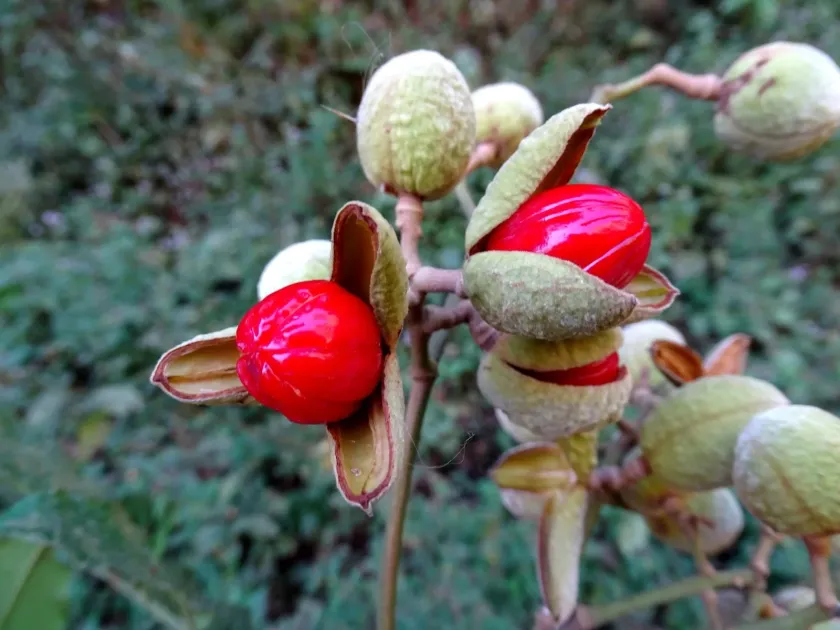
Description
Growing requirements
Trichilia moschata is a prominent species within the Meliaceae family. As a tropical evergreen tree, it naturally thrives in the dense canopy and sub-canopy layers of humid rainforests, characterized by high atmospheric humidity and stable temperatures.
The native range of this species extends across Central and South America. It prefers deep, well-drained soils rich in organic matter. While it is adapted to tropical conditions, it requires consistent moisture throughout the growing season to maintain healthy growth rates.
Climate requirements involve high annual temperatures without the risk of frost. The species exhibits moderate shade tolerance during its juvenile stage, which is a critical adaptation for surviving under the canopy in natural forest settings.
Agricultural techniques for this crop emphasize soil health and structure. Proper site selection is essential, as Trichilia moschata does not perform well in compacted soils or areas prone to long-term waterlogging.
Nutrient management involves applying balanced organic compost to support the development of a robust root system. Regular pruning is recommended in managed plantations to enhance stem development and overall tree quality.
Yield
The primary хозяйственное value of Trichilia moschata lies in its high-quality timber. The wood is widely valued for joinery, construction of furniture, and decorative interior elements due to its durability and aesthetic texture.
Beyond timber, the tree produces fruit containing seeds that are biologically active. These seeds are occasionally harvested for the extraction of aromatic oils, which find applications in niche pharmaceutical and cosmetic markets.
Reforestation projects often utilize this species due to its fast growth and ability to stabilize soil. Its presence helps in creating resilient ecosystems that can support a variety of local flora and fauna.
The economic yield from a well-managed stand includes not only harvested timber but also secondary forest products. This makes the species an attractive option for sustainable forestry models in tropical regions.
Continuous research into the species' genetics and silviculture aims to improve yield consistency, focusing on traits like drought resistance and enhanced wood density for industrial use.
Main diseases and pests
Primary threats to Trichilia moschata include fungal pathogens that affect leaves and stems, particularly in high-humidity areas with poor ventilation. Preventive measures include ensuring proper plant spacing.
Wood-boring insects are the most significant pest concern for timber production. Implementing integrated pest management (IPM) strategies is vital to monitor and control beetle infestations before they cause irreversible damage.
Minor pests such as mites and aphids can cause stress to nursery seedlings. Regular inspection of the foliage allows for early intervention using soft pesticides or biological control agents like predatory mites.
Environmental stress, such as extreme flooding or prolonged droughts, can weaken the tree's natural defense mechanisms, making it more susceptible to opportunistic pathogens found in the forest environment.
Strict biosecurity measures and the use of healthy, certified planting material are necessary to prevent the introduction of regional pests into new plantations, ensuring the long-term viability of the crop.