
Trichilia monadelpha
Trichilia monadelpha
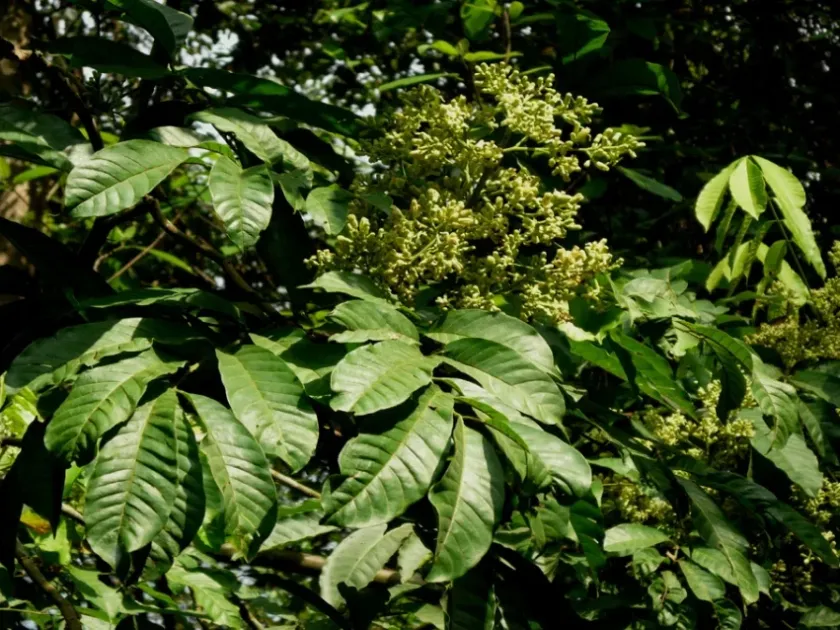
Description
Growing requirements
Trichilia monadelpha is a prominent evergreen tree species belonging to the Meliaceae family. It is native to the tropical forests of Africa, where it thrives in diverse ecosystems, playing a significant role in forest structure and biodiversity.
This species requires a warm and humid tropical climate to reach its full development potential. The ideal soil conditions include well-drained, nutrient-rich substrates that allow for deep root penetration without the risk of waterlogging in the root zone.
Botanically, the tree is recognized by its compound leaves and small, fragrant flowers. Its fruit development is a crucial stage, as the seeds, often encased in a nutritious aril, serve as a food source for various forest-dwelling species.
In terms of silviculture, the tree requires specific light management strategies during its sapling phase. Ensuring that the young trees receive adequate but filtered light is essential for robust growth before they transition to their more sun-tolerant adult stage.
The economic value of Trichilia monadelpha is primarily linked to its timber, which is appreciated for its density and durability. Additionally, the plant contains compounds that have been utilized in traditional ethnobotanical applications for generations.
Main diseases and pests
The primary threats to this species include fungal infections that exploit humid conditions, potentially causing rot in the wood or foliage damage. Maintaining proper spacing and air circulation within tree stands is vital for disease control.
Insect pests, particularly borers that target the trunk, can pose significant risks to tree health and timber quality. Integrated pest management strategies are often employed to mitigate these issues and ensure the sustainability of forestry plantations.