
Trichilia hirta
Trichilia hirta
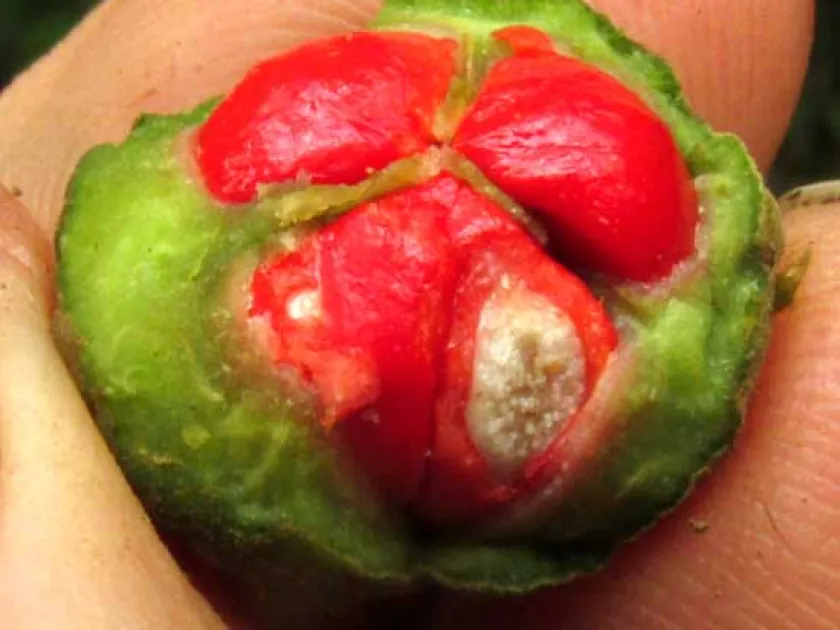
Description
Growing requirements
Trichilia hirta is an evergreen tree belonging to the Meliaceae family, widely recognized for its ecological importance in tropical forest landscapes of the Americas. It is a perennial species that plays a key role in biodiversity support.
The natural range of this tree stretches across tropical Mexico, Central America, and parts of the Caribbean and South America. It typically thrives in humid, lowland rainforest habitats, showing excellent adaptation to high-competition forest environments.
Regarding climate, Trichilia hirta requires warm, tropical conditions without significant temperature drops. It prefers regions with well-defined rainy seasons, which promote vegetative growth and overall plant health throughout the year.
The species has specific soil requirements, preferring deep, fertile, and well-drained loamy soils. It cannot tolerate waterlogged ground, which can lead to rapid decay of the root system and eventual death of the specimen.
Agrotechnical management includes proper spacing during plantation to ensure adequate air circulation. Pruning young trees is recommended to encourage a single, straight trunk, which improves the timber quality of the wood in later years.
Main diseases and pests
The main pathological risks involve fungal leaf spots, which appear during the peak of the rainy season due to high humidity. These infections can cause premature defoliation if not managed through proper canopy hygiene.
Insects, particularly wood-boring beetles and certain caterpillars, pose the greatest risk to the stems and foliage of the trees. Effective management involves monitoring for early signs of infestation and clearing debris around the trunk.
The use of sustainable management practices is essential for large-scale cultivation. This includes selecting resistant cultivars and maintaining natural enemies that help control pest populations in the local ecosystem.
Fungicides should be applied with caution, favoring organic or environmentally friendly alternatives to protect the local soil microbiome. Regular soil nutrient testing helps keep the tree robust enough to resist common attacks naturally.
Beyond its botanical value, the wood of Trichilia hirta is utilized in regional craft markets for carpentry. Its durable nature makes it a suitable resource for sustainable agroforestry projects in its native range.