
Trichilia havanensis
Trichilia havanensis
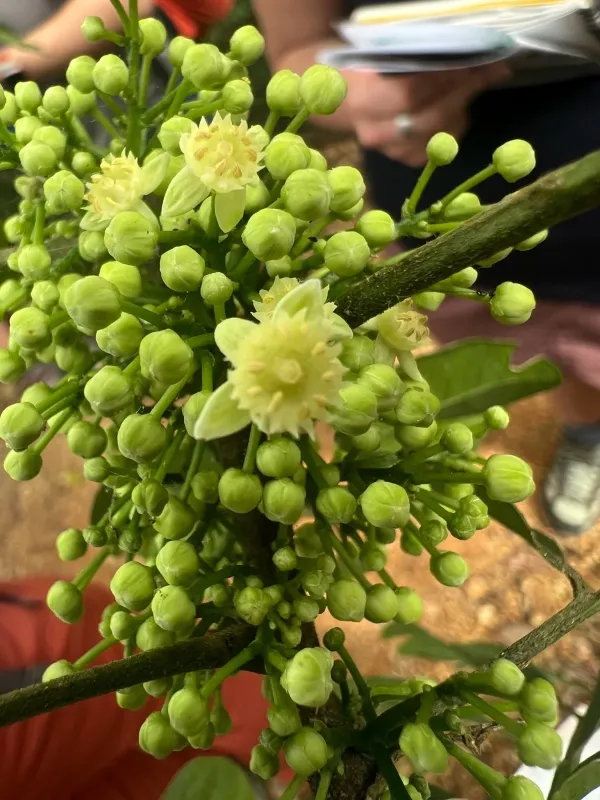
Description
Sowing dates
Propagation of Trichilia havanensis is primarily achieved through seeds, which maintain viability for a limited time. It is recommended to sow seeds shortly after harvest, ensuring they are placed in a well-draining, nutrient-rich soil medium to facilitate quick germination.
Seedbeds should be kept in a partially shaded environment with temperatures ranging from 24 to 28 degrees Celsius. Consistent moisture is crucial for the seedlings, though care must be taken to prevent waterlogging which can lead to damping-off disease.
Once seedlings reach a height of approximately 30 centimeters, they are ready for transplanting into permanent field locations. The planting process should be done during the beginning of the rainy season to allow root establishment before the onset of any potential dry spells.
Vegetative propagation via cuttings is possible but requires the use of rooting hormones to overcome the natural resistance of woody tissues. Success rates for cuttings depend significantly on maintaining high humidity levels during the initial weeks of rooting.
Establishing nursery stock requires rigorous attention to soil fertility, as the plant benefits from an initial boost of compost or slow-release fertilizers during its early developmental stages.
Growing requirements
Trichilia havanensis is a member of the Meliaceae family, widely recognized for its robust growth in tropical climates. The species thrives in areas with high rainfall and warm temperatures, typical of its native range in the Americas and the Caribbean.
The plant requires deep, fertile, and well-aerated soils to support its root system. It does not tolerate prolonged flooding, making adequate site selection for plantation establishment essential for long-term survival and productivity.
Full sun to partial shade is the ideal light condition for the species. While the plant can withstand short periods of drought once fully established, supplemental irrigation is highly beneficial during the early years to ensure optimal structural development.
Managing the pH balance of the soil is important, as the plant prefers slightly acidic to neutral environments. Regular monitoring of nutrient levels can prevent deficiencies that manifest as chlorosis in younger leaves.
Pruning is recommended to maintain the tree's health and to encourage a dense canopy. This practice is also instrumental in preventing the spread of diseases by ensuring better air circulation throughout the tree structure.
Main diseases and pests
Leaf-eating insects are among the most common pests affecting Trichilia havanensis. Infestations can lead to significant defoliation, which hampers the tree's ability to produce energy, requiring prompt intervention with biopesticides.
Fungal diseases, including various leaf spot pathogens, are frequently associated with excessive humidity and poor site hygiene. Maintaining a clean cultivation area and removing fallen infected debris helps to suppress the spread of these fungi.
Root-knot nematodes can weaken the tree's health, particularly in sandy soil types. Implementing sound crop management practices, such as the use of organic soil amendments, can improve resistance to these subterranean threats.
Bark borers can occasionally impact older trees, damaging the structural integrity of the wood. Regular inspections of the trunk for bore holes or resin exudation are recommended to catch these issues early.
Integrated Pest Management (IPM) strategies, which prioritize natural enemies and preventative techniques, are the preferred methods for maintaining the health of Trichilia havanensis plantations in a sustainable manner.