
Trichilia glabra
Trichilia glabra
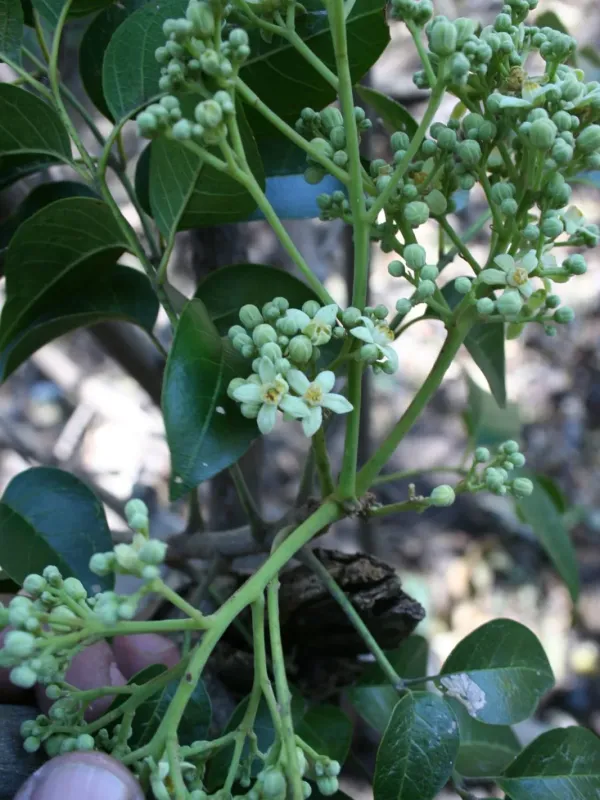
Description
Growing requirements
Trichilia glabra is a prominent member of the Meliaceae family, known for its robust nature and significance in tropical environments. This evergreen tree species has adapted to diverse tropical climates, primarily throughout Central and South America.
Successful cultivation of this species requires a warm and humid environment, consistent with its native habitat. It thrives in regions where temperatures remain stable, as the tree is particularly sensitive to cold temperatures and frost.
Regarding soil conditions, Trichilia glabra demands fertile, well-drained loamy soils. It does not tolerate waterlogging, which can lead to root rot and stunted development, thus proper site selection is critical for commercial success.
The plant demonstrates good adaptability to light conditions, although optimal biomass production is achieved in full sun exposure. It is often planted as part of reforestation projects or agroforestry systems to enhance ecosystem productivity.
Maintenance practices for this crop focus on soil aeration and weed control, particularly during the initial years of growth. Applying organic mulch can significantly improve moisture retention and soil fertility over time.
Harvesting
The primary economic use of Trichilia glabra is the exploitation of its timber. The wood is highly regarded for its durability and grain quality, making it a sought-after resource for carpentry, furniture manufacturing, and high-end artisanal woodwork.
Beyond timber production, the species contributes to soil stability. Its extensive root system prevents erosion, which is particularly beneficial in hilly terrains or areas susceptible to heavy tropical rainfall.
There is growing interest in the medicinal properties of various parts of the plant, including seeds and bark. Research continues to investigate potential compounds that could be utilized in natural medicine or botanical pesticides.
Harvesting strategies are based on sustainable forest management principles. Only trees that have reached their target diameter and maturity are selected for felling to ensure the long-term viability of the population.
Post-harvest management is vital for maintaining the land. Replanting initiatives are essential to replenish the stock, ensuring that Trichilia glabra remains a renewable resource for future generations.