
Trichilia emetica
Trichilia emetica
Description
Growing requirements
Trichilia emetica, commonly known as Natal mahogany, is a member of the Meliaceae family. This evergreen tree can grow between 15 to 30 meters tall, characterized by a dense, spreading canopy and leathery, compound leaves.
The species is native to tropical Africa and inhabits a variety of environments, including riverine forests, coastal areas, and savannas. It prefers fertile, well-drained soils, though it shows adaptability to various soil types.
Climate requirements are strictly tropical or subtropical, as the tree is highly sensitive to frost. Successful cultivation requires a warm environment with adequate rainfall throughout the growing season.
The tree exhibits significant drought tolerance once established, owing to its deep root system. However, for consistent fruit and seed production, supplemental irrigation is beneficial during prolonged dry spells.
Trichilia emetica is a long-lived perennial crop. It typically requires 5 to 8 years to reach the start of significant fruit production, which necessitates careful long-term investment strategies for orchard establishment.
Yield
The primary economic value lies in the seeds, which are rich in fat, commonly referred to as "Mafura oil." This oil is highly valued in the cosmetic, soap-making, and pharmaceutical industries due to its unique fatty acid composition.
Beyond the oil, the wood of the tree is highly regarded for its durability and resistance to termites. It is frequently utilized in local carpentry, construction, and the manufacturing of furniture.
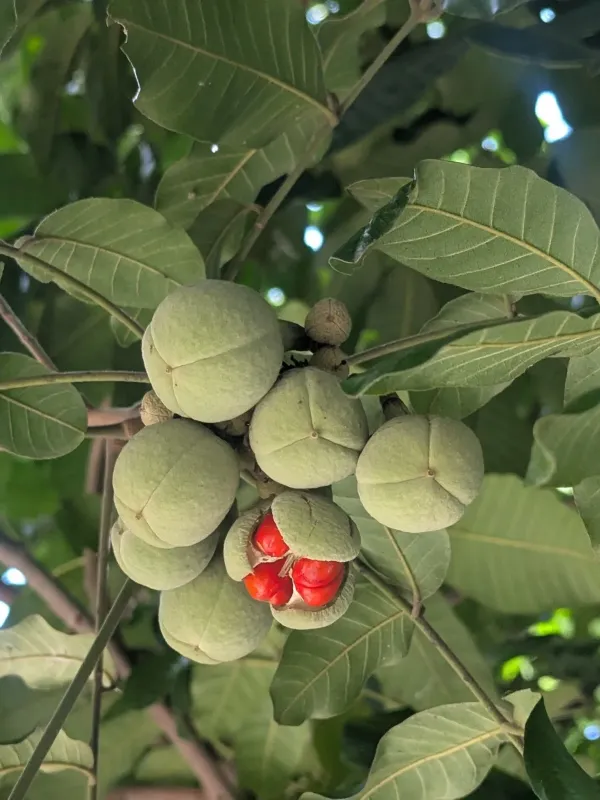
The fruit consists of a capsule that splits upon maturation to reveal seeds covered in a red aril. Individual tree yield varies based on age and habitat, but a mature tree can produce substantial quantities of seeds annually.
Traditional medicinal applications of the bark, roots, and leaves have been documented for various therapeutic purposes, leveraging the presence of specific alkaloids and bitter compounds within the plant tissues.
In agroforestry systems, the tree serves as an essential shade provider and helps in soil stabilization. Its presence improves the overall biodiversity and resilience of tropical agricultural landscapes.
Main diseases and pests
Key pests include various leaf-eating insects and fruit borers that can significantly impact annual yields. Monitoring and integrated pest management are necessary to maintain healthy plantations.
Fungal pathogens associated with high moisture levels can threaten bark and young shoots. Maintaining an open canopy through proper pruning practices promotes airflow and minimizes disease risk.
The species currently lacks highly selected cultivars, making it dependent on natural genetic resistance. Strict adherence to proper planting density helps in reducing the impact of diseases and competition for nutrients.
Weed management is most critical during the early stages of tree development. Keeping the base of the trees free from encroaching vegetation is essential for robust initial growth.
Overall, Trichilia emetica is considered a resilient species. When grown on appropriate sites with stable water access, it requires relatively low maintenance compared to other commercial fruit-bearing tropical trees.
Harvesting
Harvesting is traditionally performed manually when the fruit capsules begin to split naturally. Timely collection is critical to prevent seed damage from high humidity or infestation by rodents and pests.
Post-harvest processing involves drying the seeds and removing the aril. Proper drying techniques are essential to maintain oil quality and prevent the proliferation of fungi during storage.
Oil extraction is typically achieved through cold-pressing methods to maintain the integrity of the bioactive compounds. Storing the oil in cool, dark environments is vital to prevent oxidative rancidity.
The seed cake remaining after oil extraction serves as an effective organic fertilizer, promoting sustainable practices and enhancing the productivity of future plantation cycles.
Optimizing mechanized collection and local processing facilities remains a key area for improving the commercial viability and income potential for farmers growing this crop.