
Trichilia casarettoi
Trichilia casarettoi
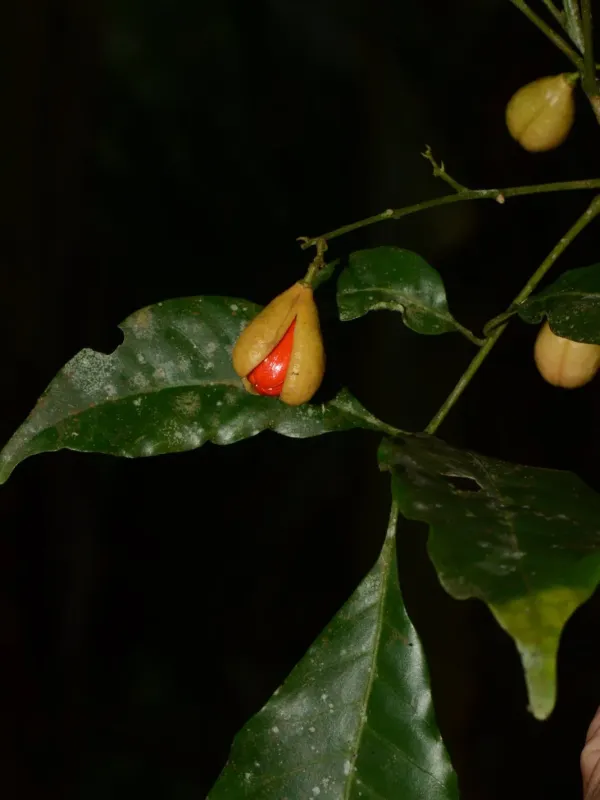
Description
Growing requirements
Trichilia casarettoi is a tropical tree species belonging to the Meliaceae family. It is native to the South American rainforests, particularly common in the Atlantic Forest regions of Brazil, where it plays an integral role in the forest structure.
The species thrives in warm, humid tropical environments. It requires consistent temperatures and avoids areas susceptible to extreme frost or prolonged cold spells, which can significantly inhibit its growth and development in non-native habitats.
For successful cultivation, the soil must be well-drained and nutrient-rich. Trichilia casarettoi performs best in deep, fertile soils that mimic the natural organic layer of its native forest floor, ensuring optimal nutrient availability for steady growth.
Botanically, this tree is recognized for its dense foliage and relatively slow but steady growth habit. It develops a sturdy trunk, which is characteristic of many trees within the Meliaceae family, contributing to its value in local timber markets.
The primary economic use of this plant is in sustainable forestry and reforestation initiatives. Its ability to thrive in secondary forests makes it an important species for restoring degraded lands and providing habitat for local fauna.
Main diseases and pests
Common biological threats include attacks from wood-boring beetles that can affect the structural integrity of mature trees. Regular forest management practices are necessary to monitor and mitigate the spread of these pests in commercial stands.
Pathogenic fungi can cause leaf spot and root degradation if the site conditions lack proper ventilation or drainage. Proper spacing during plantation establishment is essential to allow for adequate air circulation, which helps in reducing the humidity-induced disease pressure.