
Swietenia humilis
Swietenia humilis
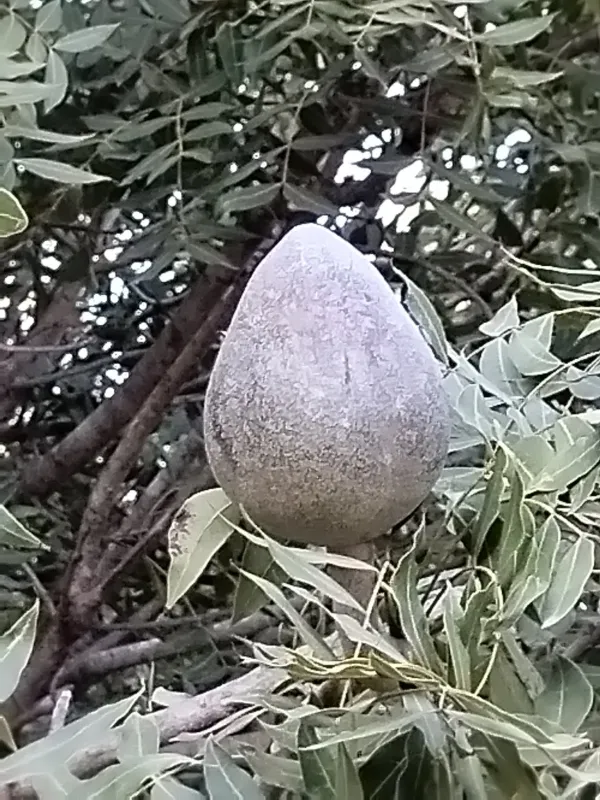
Description
Sowing dates
Successful cultivation starts with the careful selection and processing of seeds. Sowing typically begins at the onset of the rainy season to capitalize on natural soil moisture levels and ensure higher germination rates.
The seeds are usually sown in nursery containers to protect young seedlings from early environmental stress. This method facilitates better root development and ensures a higher survival rate during transplantation.
During the nursery phase, nutrient management is essential. Providing a balanced ratio of macronutrients promotes robust stem elongation, which is vital for later wood quality and structural integrity.
When transplanting to a permanent site, spacing must be calculated to prevent canopy overcrowding. Proper ventilation within the plantation is necessary to reduce humidity levels around the foliage.
Regular maintenance during the establishment period includes weeding and protecting seedlings from direct, intense heat. Once the tree is established, it demonstrates strong resilience to seasonal dry spells.
Growing requirements
Swietenia humilis, commonly known as Pacific Coast Mahogany, is a deciduous tree species belonging to the Meliaceae family. It is prized for its high-density timber, which is highly sought after in the international market.
This species is native to the dry tropical forests of the Pacific coast of Central America, spanning from Mexico to Costa Rica. It is evolutionarily adapted to climates with distinct dry and wet seasons.
The tree thrives in well-drained soils and requires excellent soil aeration. It is highly susceptible to root diseases if the soil remains waterlogged for extended periods, making site selection crucial for plantations.
Being a heliophilic plant, Swietenia humilis requires full sun exposure to reach its maximum growth potential. Temperatures between 22°C and 30°C are considered optimal for its healthy physiological development.
Economically, the species is cultivated for its deep red, durable wood. This mahogany variant is exceptionally stable and resistant to wood-boring insects, making it a premium choice for high-end furniture and musical instruments.
Main diseases and pests
The most significant biological threat to Swietenia humilis is the Hypsipyla grandella moth. The larvae bore into the apical shoots, causing branching that severely diminishes the commercial value of the timber.
Fungal pathogens such as Fusarium can affect the root systems, particularly in poorly drained nurseries. Implementing strict sanitation protocols and maintaining soil pH balance are effective ways to mitigate these risks.
Soil-borne nematodes can pose a risk to young saplings. Growers often use sterilized soil media in nurseries to ensure that the initial growth stages are free from these microscopic pests.
Environmental stress, such as unseasonable flooding or prolonged drought, can leave the trees vulnerable to secondary infestations. Consistent monitoring allows for early detection and intervention.
Over-harvesting in natural habitats poses a threat to the genetic diversity of the species. Sustainable forest management practices, including reforestation and enrichment planting, are essential to preserve this valuable natural resource.