
Sandoricum borneense
Sandoricum borneense
Description
Growing requirements
Sandoricum borneense is a tropical fruit-bearing tree belonging to the Meliaceae family. Native to the lush tropical rainforests of Borneo, this species thrives in environments characterized by consistently high humidity and warm temperatures, mirroring the biodiversity of the Southeast Asian archipelago.
To cultivate this species successfully, one must replicate its natural habitat. It requires a climate without distinct, prolonged dry seasons, as the tree relies on a steady supply of moisture to support its broad leaf canopy and fruit development processes throughout the annual cycle.
The soil requirements for this tree are quite specific: it demands deep, nutrient-rich soils that offer excellent drainage. While it loves moisture, stagnant water is detrimental to its health, as waterlogged conditions quickly lead to root rot and other physiological imbalances.
In terms of light exposure, Sandoricum borneense prefers full sun once established. However, during the initial stages of growth, young saplings benefit from the protective shade of larger trees, which mimics the competitive, layered structure of the native forest floor.
Proper agro-technical management involves maintaining soil health and preventing erosion, especially in sloping terrains. Providing sufficient spacing between trees is crucial to allow for the development of its expansive canopy, which is necessary for optimal sunlight interception and effective air circulation.
Yield
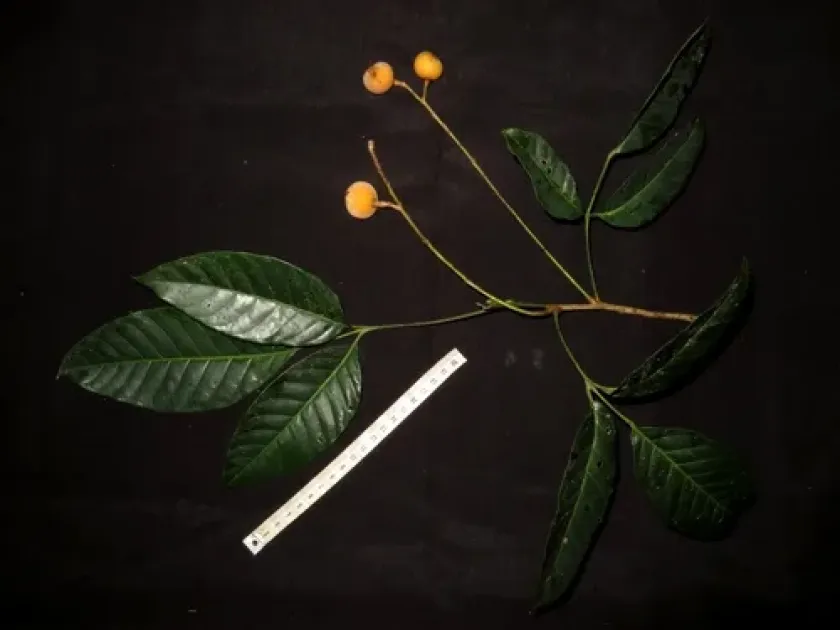
The productivity of Sandoricum borneense is typically seasonal, dictated by the regional climatic patterns of Borneo. The fruits are large, rounded berries with a resilient rind, enclosing a succulent, sweet-sour pulp that is highly appreciated in local culinary traditions.
In terms of usage, the fruit is widely consumed fresh or integrated into various regional dishes, including traditional marinades and refreshing desserts. Its unique flavor profile is a significant asset for local food diversity in its native range.
Beyond its fruit-bearing capabilities, the genus Sandoricum is often noted for the quality of its wood, which is known for its durability and resistance to various pests, making it a valuable addition to agroforestry systems beyond mere food production.
Yield stability is largely dependent on the health of the tree and favorable weather conditions during the flowering phase. Regular management practices, such as judicious organic fertilization and mulching, play a vital role in supporting sustained fruit production over time.
Although it is not a major global commodity, the tree remains a localized economic resource. For smallholder farmers, its ability to produce consistent annual yields makes it a reliable source of dietary variety and supplementary income.
Main diseases and pests
Like many tropical species, Sandoricum borneense faces pressure from a variety of insect pests. Fruit flies represent a major threat, as they frequently damage developing fruits, significantly reducing the marketable quality and quantity of the harvest.
Fungal diseases are a persistent challenge, particularly in the humid conditions favored by this tree. Pathogens such as powdery mildew or anthracnose can cause premature fruit drop and leaf damage if environmental conditions are not properly monitored.
Maintaining air circulation through proper canopy management is the primary preventative measure against such diseases. Pruning is essential to reduce humidity levels within the crown, thereby creating a less favorable environment for the growth of fungal spores.
Biological control methods are highly encouraged in tropical agriculture to manage these threats. By promoting biodiversity around the orchards, farmers can utilize natural predators of the pests, reducing the need for synthetic chemical interventions.
Extreme weather events, such as intense windstorms, can cause physical stress to the trees. Damaged branches are often entry points for secondary infections, necessitating quick post-storm inspections and sanitation pruning to preserve the tree's long-term health.
Harvesting
Harvesting Sandoricum borneense requires a methodical, hand-picking approach to ensure that only ripe fruits are collected. Ripeness is typically indicated by a subtle shift in the rind's color and the development of a distinct, aromatic fragrance.
Because fruit ripening on the tree is rarely uniform, harvesters usually conduct multiple passes through the orchard. This selective picking process ensures that each fruit is collected at its peak flavor profile, meeting the standards for local market consumption.
Transporting the harvest is delicate, as the fruits have a relatively thin rind that is prone to bruising. Using cushioned containers during the move from the orchard to the market is critical to minimizing physical damage and extending shelf life.
Post-harvest handling involves cleaning the fruits to remove debris and sorting them according to quality and size. Proper ventilation during storage is key to preventing moisture buildup, which can lead to rapid deterioration of the perishable pulp.
Given the short shelf life of the fruit, efficiency in the supply chain is essential. Local markets are the primary destination, where the fruit is sold quickly, ensuring that consumers receive a fresh product that captures the unique essence of the Bornean tropics.