
Sandoricum beccarianum
Sandoricum beccarianum
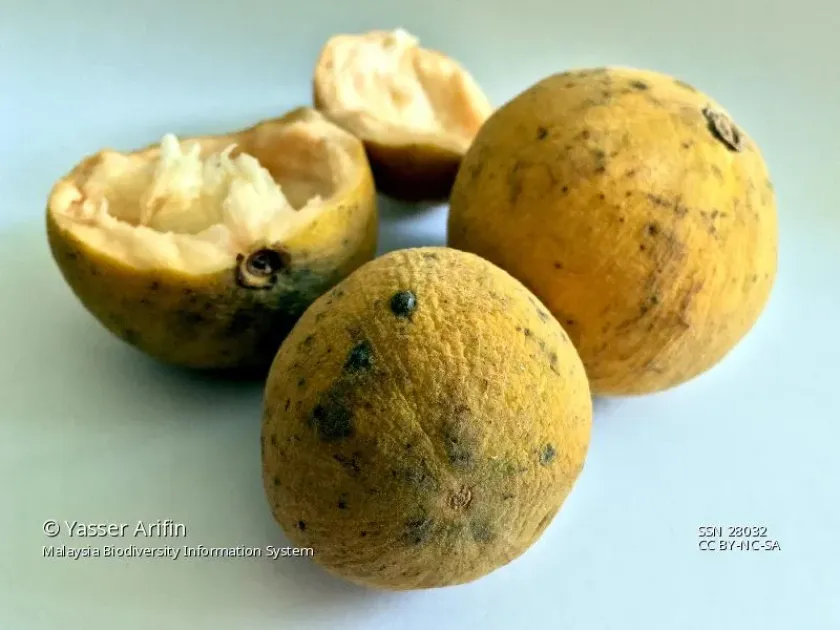
Description
Growing requirements
Sandoricum beccarianum is a distinctive tropical tree species belonging to the Meliaceae family. Native to the humid rainforests of Southeast Asia, this tree is closely related to the better-known santol but possesses unique biological traits that make it a subject of local horticultural interest.
The cultivation of this species requires a strictly tropical climate with consistent temperatures typically ranging between 24°C and 30°C. It is highly sensitive to cold stress, and frost exposure will cause irreversible damage to the vascular system of the tree.
Optimal growth is achieved in deep, well-draining soils that are rich in organic matter. While the tree can tolerate various soil types, waterlogged conditions should be strictly avoided to prevent root rot, which is a common challenge for plants in this family.
Sunlight requirements for Sandoricum beccarianum involve exposure to partial or full sun, though young saplings benefit from light canopy shading. This replicates the natural successional growth pattern the tree follows in its native forest habitat.
Botanically, the tree is characterized by a sturdy trunk and dense foliage. The root architecture is expansive, providing the plant with the structural stability required to withstand the high winds and heavy rainfall events common in its tropical range.
Harvesting
The primary agricultural output of Sandoricum beccarianum is its fruit. The pulp is appreciated for its unique flavor profile, which provides a refreshing balance of acidity and sweetness, making it suitable for both direct consumption and culinary processing.
Harvesting is typically done manually once the fruit reaches maturity, often indicated by color shifts. Due to the tree's height, care must be taken to ensure the fruit is picked without damaging the fragile fruiting spurs, which may produce in subsequent seasons.
Post-harvest management involves sorting and quick processing into jellies, syrups, or traditional fermented products. The high pectin content of the fruit makes it an excellent candidate for the confectionery industry, adding value to local agricultural economies.
Standard agrotechnical practices for this species include periodic mulching to suppress weeds and maintain soil moisture levels. Regular canopy management is recommended to ensure adequate light penetration, which directly influences the overall yield and fruit quality.
As an underutilized species, Sandoricum beccarianum offers significant potential for agroforestry systems. Integrating it into polyculture setups can improve soil health and provide sustainable yields while maintaining the ecological balance of the tropical landscape.