
Melia dubia
Melia dubia
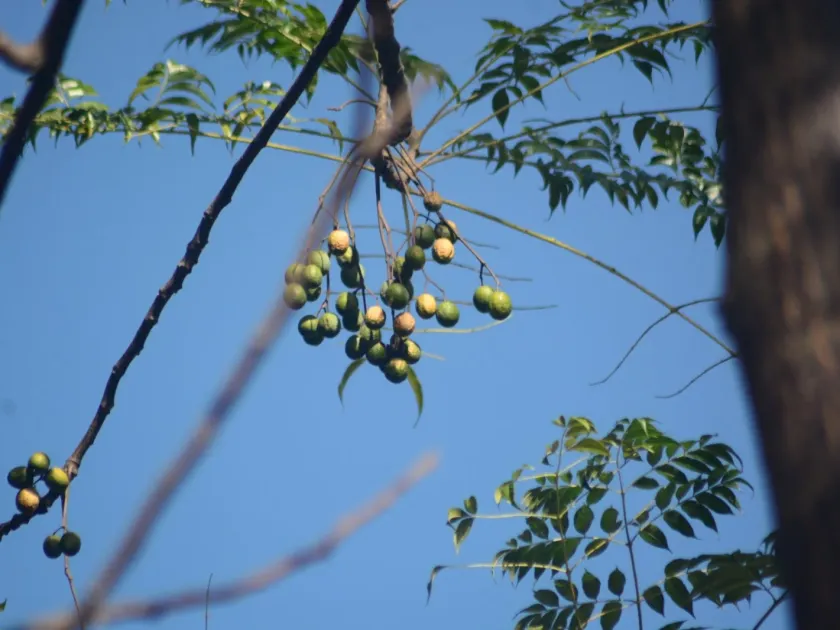
Description
Sowing dates
Sowing Melia dubia seeds is best conducted at the beginning of the rainy season to ensure optimal soil moisture for germination. Pre-treatment of seeds, including soaking in water for 24 to 48 hours, is essential to break dormancy and significantly increase the germination rate.
In nursery settings, seeds should be sown in containers or prepared seedbeds filled with a well-draining, loose soil medium. A sowing depth of 1 to 2 centimeters is recommended to protect the seeds from erosion while ensuring they have sufficient energy to sprout effectively.
Seedlings are ready for field transplanting once they reach a height of 30 to 45 centimeters. In commercial forestry, the planting density usually ranges from 500 to 800 trees per hectare, depending on the specific wood quality requirements and the space needed for mechanical maintenance between rows.
The seedling establishment phase requires careful monitoring of soil moisture levels. Protecting young saplings from direct, harsh sunlight and mechanical damage during the first few months is vital for ensuring high survival rates and uniform plantation development.
To promote rapid vertical growth and develop a straight, knot-free trunk, regular pruning of side branches is necessary. This vital agrotechnical practice ensures the production of high-value timber, minimizing the presence of defects that would otherwise reduce the commercial grade of the wood.
Growing requirements
Melia dubia, a member of the Meliaceae family, is a fast-growing tropical tree native to India, Southeast Asia, and Australia. It is highly adaptable to various environments, although it thrives best in warm, sunny locations with ample light exposure.
The tree requires an annual average temperature between 20 and 35 degrees Celsius for optimal physiological activity. It is sensitive to severe frost, so plantation sites should be carefully selected to avoid areas prone to extreme cold, which can hinder growth or cause tree mortality.
While the species is relatively flexible regarding soil types, it performs best in deep, fertile loams with a neutral to slightly acidic pH. Good soil aeration is crucial, as the species is susceptible to root stress if subjected to waterlogging for extended periods.
Melia dubia is renowned for its remarkable growth rate, often reaching merchantable timber size in just 8 to 12 years. This rapid maturity makes it an excellent candidate for intensive forestry, providing landowners with quicker returns on their investment compared to traditional timber species.
During dry seasons, providing supplemental irrigation is beneficial for maintaining peak growth rates. Strategic application of organic and mineral fertilizers during the early growth stages is strongly recommended to enhance biomass accumulation and support the development of structural wood density.
Yield
The primary yield metric for Melia dubia is the volume of merchantable timber harvested per unit of area. With proper management and fertilization, a plantation can produce a high volume of wood suitable for the plywood, furniture, and packaging industries within a single decade.
Annual growth increments can reach 20 to 30 cubic meters per hectare in well-managed plantations. This high productivity positions Melia dubia as a top-tier alternative to slow-growing hardwoods, helping to alleviate pressure on natural forests while meeting global timber demand.
In addition to timber, the tree produces significant leaf biomass, which can be utilized as green manure. When incorporated into the soil, this organic matter helps improve soil structure and nutrient content, creating a self-sustaining cycle that benefits subsequent rotations of the plantation.
Yield assessment is performed by measuring the diameter at breast height (DBH) and the total merchantable height of the trees. High-quality timber is characterized by consistent texture and minimal heartwood rot, which is achieved through selective harvesting and sound plantation hygiene.
Projections for yield can be adjusted based on initial planting density and water management efficiency. Maximizing row spacing and ensuring adequate resource availability allows the plantation to optimize canopy development and wood deposition, leading to more predictable and stable output.
Main diseases and pests
Despite its robustness, Melia dubia can be susceptible to pests such as leaf-eating caterpillars. Integrated pest management, focusing on early detection and biological control agents, is effective in minimizing damage without resorting to heavy chemical interventions.
Fungal diseases, often triggered by high humidity and poor canopy ventilation, may affect the trunk and branches. Preventive measures, such as maintaining correct planting density and regular sanitary pruning, are essential to ensure adequate airflow and reduce the risk of disease spread.
Root rot represents a significant threat, particularly in poorly drained or waterlogged soils. Management strategies must prioritize soil drainage and site selection to prevent the buildup of pathogens that could compromise the stability and health of the trees during the rainy season.
In certain climatic zones, young shoots may be attacked by sap-sucking insects like aphids. Employing beneficial insects or environmentally friendly soaps and oils helps keep pest populations below economic damage thresholds, preserving the overall health of the plantation ecosystem.
Maintaining a healthy, balanced ecosystem is the cornerstone of sustainable Melia dubia cultivation. By combining regular field monitoring with best-practice agricultural techniques, managers can mitigate threats and ensure the trees remain vigorous throughout the entire production cycle.
Harvesting
Harvesting Melia dubia involves clear-felling the plantation once the trees reach the desired commercial diameter. The timing is primarily dictated by market demand for specific products, such as veneer logs or construction timber, usually occurring between 8 and 10 years after planting.
Professional felling techniques are required to ensure the logs are processed without splitting or splintering. Once harvested, the timber must undergo a controlled drying process to achieve the required moisture content, preventing warping and checking, which are critical for high-grade wood use.
Following the removal of the timber, the site must be cleared of harvest residues. These byproducts can be shredded for mulch, which serves to retain soil moisture, suppress weed competition, and return vital nutrients to the soil surface for future land use.
Efficient post-harvest logistics are crucial for maintaining timber quality. Sorting logs by dimensions and physical condition allows the producer to target specific markets, ensuring that wood is utilized for its most valuable applications, such as interior joinery or specialty packaging.
Successional planning is an integral part of sustainable plantation management. Re-establishing vegetation or rotating with nitrogen-fixing species after harvesting helps restore soil productivity and prepares the land for the next intensive crop cycle, ensuring long-term profitability.